


Travelling through the American West in winter: everything you need to know

Yes, travelling through the American West in winter is a great idea, as long as you choose your destinations carefully. It is actually the ideal time to explore the deserts of Death Valley and Joshua Tree, where temperatures are much more pleasant than in summer. Mountainous regions, on the other hand, require a little more preparation.
1. Is a winter road trip in the American West a good idea?
Yes, winter is a fantastic time to explore the American West, particularly the deserts of the Southwest. Temperatures are far more comfortable than in the height of summer, sites are usually less crowded, and the mountain landscapes take on a whole new look under a blanket of snow.
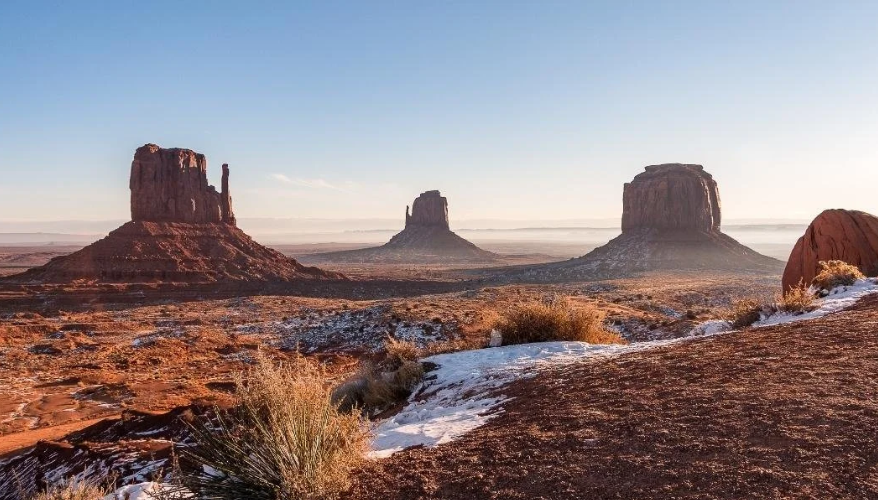
🌵 Ideal temperatures for exploring the deserts
In summer, temperatures in Death Valley regularly exceed 40 °C. In winter, they tend to hover around 18 °C to 20 °C during the day in the park's lower-lying areas.
This makes it a particularly pleasant time to explore Death Valley, Joshua Tree and Valley of Fire, well away from the intense summer heat.
Las Vegas, Palm Springs and Phoenix are also great stops if you are looking for a generally milder climate.
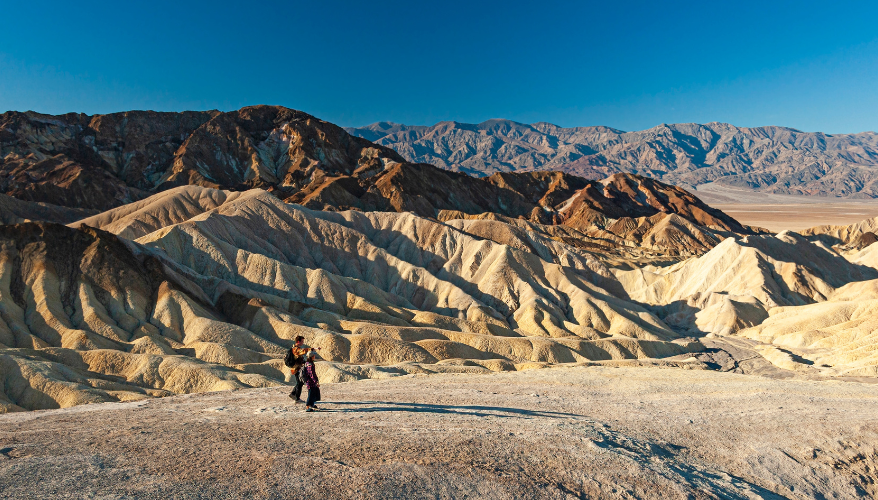
👀 Fewer crowds, but not everywhere
Winter helps you dodge some of the summer crowds, especially in mountain parks like Bryce Canyon.
Be warned, though: winter is also a very popular season in the deserts. Joshua Tree and Death Valley can get particularly busy during the Christmas holidays and weekends.
❄️ Spectacular snowy landscapes
At Bryce Canyon, where the main viewpoints sit at over 2,400 metres above sea level, snow creates a striking contrast with the famous orange rock formations.
At Monument Valley, where the valley floor sits at around 1,500 metres, the buttes and mesas can also get a dusting of snow.
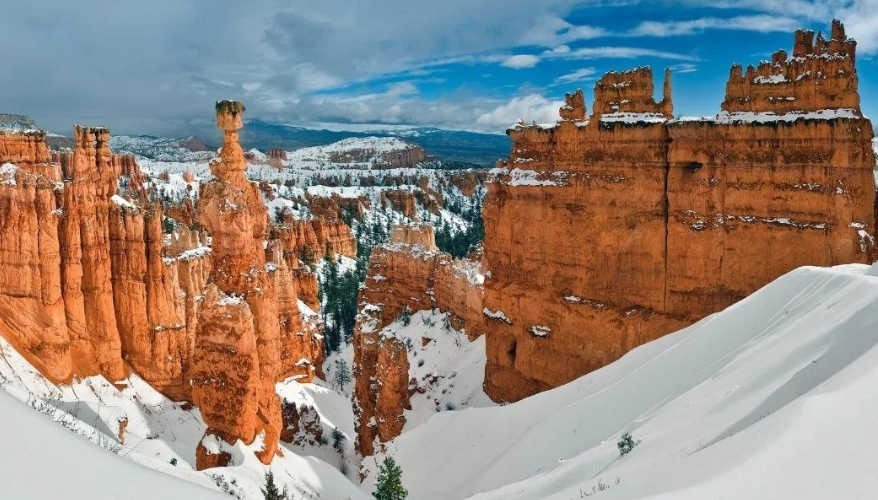
In winter, Bryce Canyon and Monument Valley can experience sub-zero temperatures and tricky driving conditions, particularly after a snowfall.
💰 Better prices on some things
Travelling in winter can help you save money on certain places to stay and car hire, especially outside peak demand periods.
To keep costs down, try to travel outside school holidays and check our tips for travelling on a budget in the USA.
2. Which parks and roads are closed in winter in the American West?
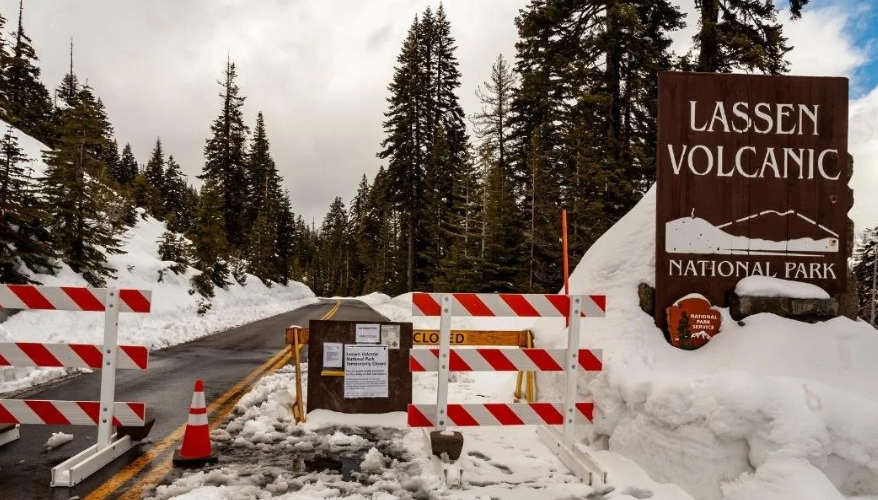
Most of the major parks in the American West stay open all winter, but certain roads and areas become inaccessible. Closures mainly affect high-altitude spots where snow can stick around for months.
🚧 Key closures to watch out for
Here are 3 examples to bear in mind before you plan your route:
- Grand Canyon – North Rim (Arizona): the North Rim generally closes for the winter, largely due to snow on the AZ-67 access road. If you are travelling between December and February, head to the South Rim instead, which is open year-round subject to weather conditions.
- Yosemite – Tioga Road (California): this route across the Sierra Nevada usually closes from November until late May or early June. You cannot drive right across Yosemite from east to west via the Tioga Pass during this time.
- Yellowstone (Wyoming, Montana and Idaho): most roads close to cars from early November to late April. Usually, only the road linking the north and northeast entrances remains open to standard vehicles.
Closure dates for Tioga Road in Yosemite, the roads in Yellowstone and access to the North Rim of the Grand Canyon depend entirely on the weather. Always check them each year before you set off.
❄️ Which parks can you visit in winter?
| National park | Reference altitude | Winter temperatures (day/night) | Winter access | Snow |
|---|---|---|---|---|
| Grand Canyon (South Rim) | 2,100 m | 6 °C / -7 °C | South Rim open; North Rim usually closed | Frequent |
| Yosemite (Yosemite Valley) | 1,220 m | 9 °C / -2 °C | Valley accessible; Tioga Road closed | Possible to frequent |
| Bryce Canyon | 2,400 m | 3 °C / -9 °C | Open; temporary closures possible | Very frequent |
| Yellowstone (Mammoth) | 1,890 m | 0 °C / -11 °C | Most roads closed to cars | Very frequent |
| Death Valley (Furnace Creek) | -58 m | 20 °C / 5 °C | Generally accessible | Very rare |
| Joshua Tree | Varies by area | Around 15 °C / 0 °C | Open year-round | Occasional at high altitude |
Average indicative temperatures from December to February, rounded to the nearest degree. These vary depending on altitude and weather conditions. Always check access conditions before you visit.
At Bryce Canyon, the roads leading to Fairyland Point and Paria View close for the snowy season. After a storm, the scenic drive may also temporarily close, while the main amphitheatre viewpoints are cleared of snow as a priority.
🕔 Shorter days and fewer activities
In December, the sun sets around 4:30 pm in Las Vegas and about 5:15 pm in Phoenix. It is best to plan your sightseeing and driving times accordingly.
Certain seasonal activities are also suspended. In Yosemite, for example, vehicle access to Glacier Point is generally closed in winter beyond the Badger Pass area.
🔎 Where to check for road closures before you go?
Check official updates, particularly the evening before and the morning of each journey:
- National Park Service (NPS): park access, roads and trails.
- Caltrans QuickMap: road conditions in California.
- UDOT Traffic: road conditions in Utah.
- AZ 511: roads and incidents in Arizona.
Book an appointment with a local advisor
They are here to listen and help you realize your dreams.
Book an appointment
3. What route should you take for a winter road trip in the American West?
In winter, focus on the deserts of the Southwest to enjoy milder temperatures and reduce snow-related risks. More experienced travellers can also explore the big canyons, provided they adapt their route to suit the weather.
🌵 A road trip through the Southwest deserts
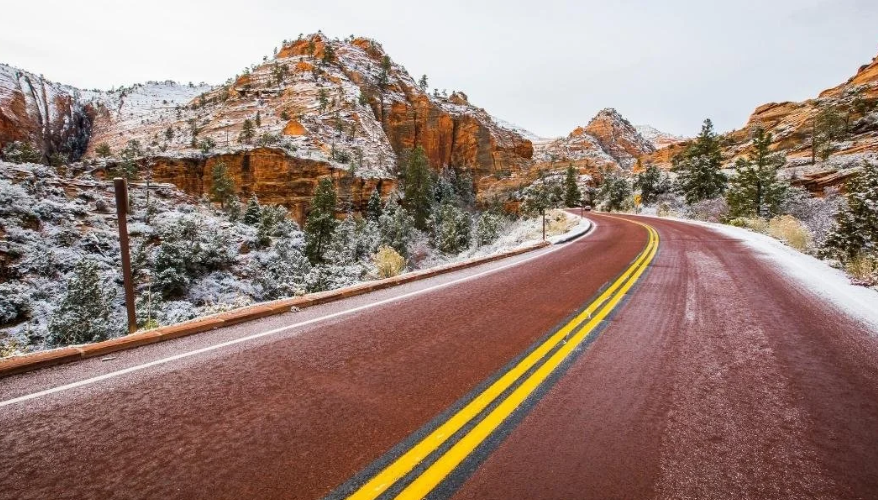
The Los Angeles → Joshua Tree → Death Valley → Las Vegas → Valley of Fire → Los Angeles road trip lets you experience the deserts of California and Nevada while bypassing the high mountain passes that usually close for the winter.
Highlights include:
- Joshua Tree: explore the desert landscape and iconic rock formations.
- Death Valley: visit Badwater Basin, Zabriskie Point and the park's key sights without the searing summer heat.
- Las Vegas: enjoy a lively city stop between parks.
- Valley of Fire: admire the red sandstone formations and hike the trails when weather permits.
Even though this loop sticks mainly to the desert, bad weather can still disrupt travel on certain roads. Always check access conditions for Death Valley before you set off.
❄️ A road trip through snow-dusted canyons
Recommended itinerary: Las Vegas → Zion → Bryce Canyon → Page → Grand Canyon South Rim → Las Vegas
This loop is ideal for travellers looking to see the iconic landscapes of Utah and Arizona in a completely different light.
Top stops along the way:
- Zion: take in the towering canyon walls, often capped with a dusting of snow.
- Bryce Canyon: marvel at the contrast between the orange hoodoos and the white snow.
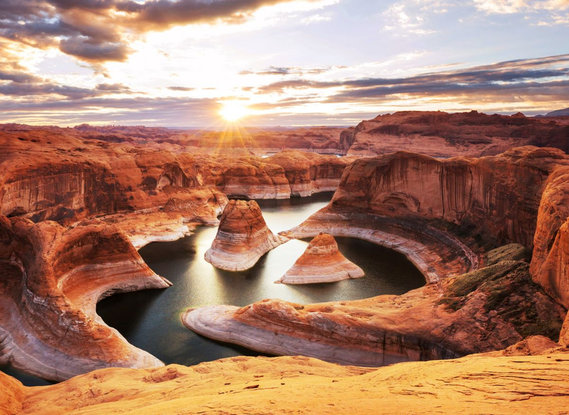
- Page: explore the areas around Lake Powell and visit Horseshoe Bend.
- Grand Canyon South Rim: enjoy sweeping views of the canyon, where the rims can be snowy in winter.
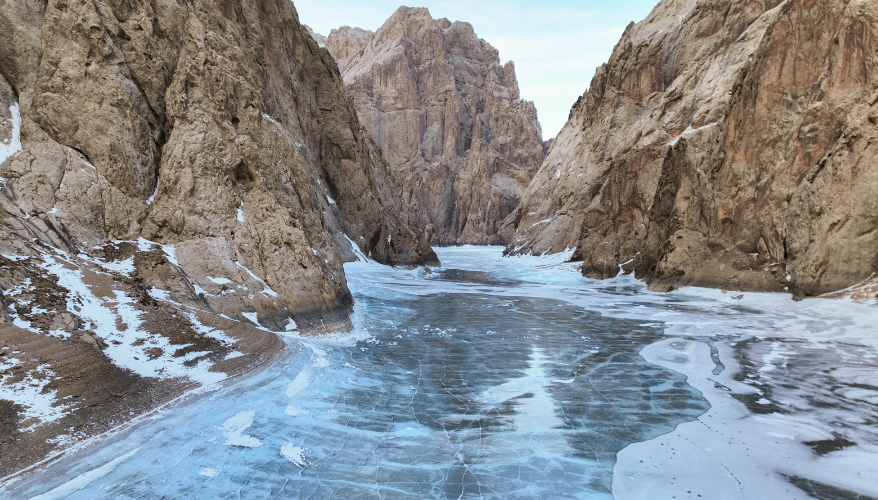
Please note: Bryce Canyon and the Grand Canyon South Rim sit at high altitude. Snow and ice can lead to temporary road and trail closures.
This loop calls for extra flexibility and some experience of winter driving.
🗺️ Which itinerary is right for you?
| Your priority | Recommended itinerary |
|---|---|
| Mild temperatures | Southern deserts |
| Minimum risk of snow | Southern deserts |
| Photographing snowy canyons | Utah and Arizona canyons |
| No winter driving experience | Southern deserts, checking conditions as you go |
| Seeing Bryce Canyon and the Grand Canyon in the snow | Snow-dusted canyons |
4. Car or RV: which is best for the American Southwest in winter?
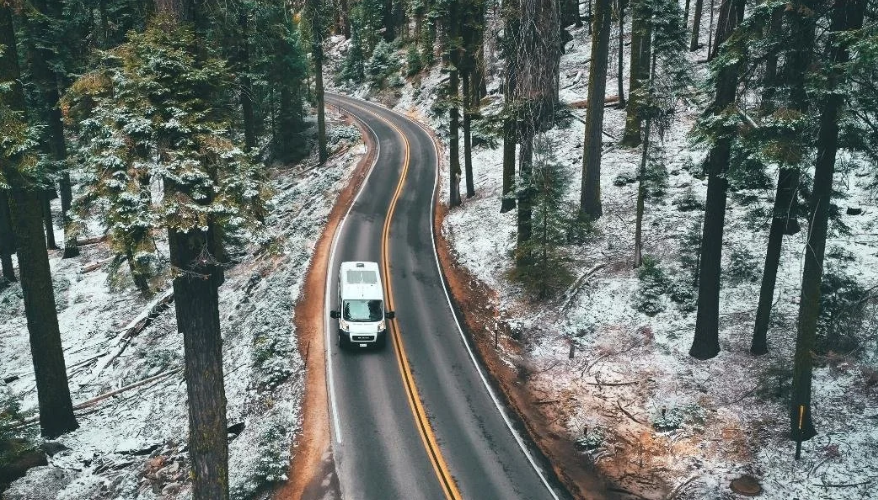
For a winter road trip through the American Southwest, a car is generally the most practical choice. Hiring a RV is certainly possible, but sub-zero temperatures and access restrictions can complicate your trip, especially in high-altitude parks.
🚗 The car: the simplest choice
A car offers greater flexibility for exploring the parks of the American Southwest during the winter months.
An SUV can be particularly useful for routes that include Bryce Canyon or the Grand Canyon South Rim, where snow and ice are likely.
Keep in mind, though: an SUV, even with four-wheel drive, does not guarantee safe driving in the snow. Proper tyres and strict adherence to road regulations are still essential.
Before you book, check what equipment the hire company provides. Winter tyres are not automatically included with car rentals in the US.
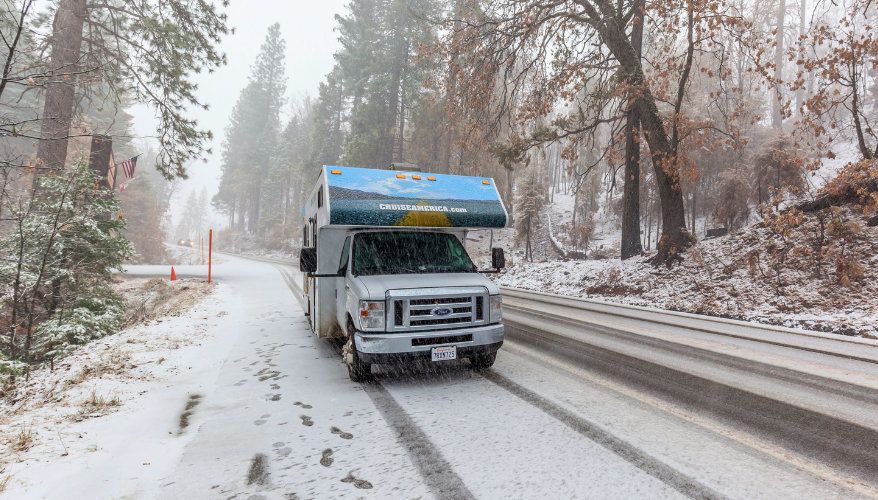
🚐 Hiring a RV: an option that requires extra care
Travelling in a RV during the winter is doable, especially in desert regions where temperatures tend to be milder.
On the downside, not all hire RV are set up to handle freezing conditions.
At Bryce Canyon or the Grand Canyon South Rim, temperatures can drop below freezing overnight. This puts the vehicle's water pipes and tanks at risk of freezing and bursting.
Damage caused by frozen pipes and water tanks in a hire RV may not be covered by your rental insurance, particularly if you haven't followed the cold-weather usage guidelines.
⚖️ Car or RV: how they compare
| Feature | Car | RV |
|---|---|---|
| Driving on snowy roads | Easier to handle, depending on the model and tyres | Trickier due to its size |
| Accommodation | Hotels and motels | On board the vehicle |
| Sub-zero temperatures | No onboard water system to worry about | Risk of frozen plumbing |
| Parking | Generally straightforward | Needs suitable pitches checked in advance |
| Flexibility | Easier to change your stops | Relies on road conditions and open campsites |
5. How to plan a winter road trip in the American Southwest
To pull off a successful winter road trip in the American Southwest, 3 things are vital: checking road conditions, factoring in shorter daylight hours and packing for a range of temperatures.

🚗 Check road conditions before every drive
Even in desert areas, the weather can disrupt travel plans.
At Bryce Canyon, snow can force the temporary closure of the scenic drive. At the Grand Canyon South Rim, roads can turn treacherous after a storm.
Before you head out, check official road status updates online:
- Caltrans QuickMap for California.
- UDOT Traffic for Utah.
- AZ 511 for Arizona.
Always check whether snow chains are required, as rules vary by route and conditions.
🕔 Plan around shorter days
In December, the sun sets around 16:30 in Las Vegas and 17:15 in Phoenix.
To make the most of your sightseeing, get an early start and try to avoid long drives after dark.
At Authentik, we recommend packing less into each day so you have breathing space if anything unexpected crops up.
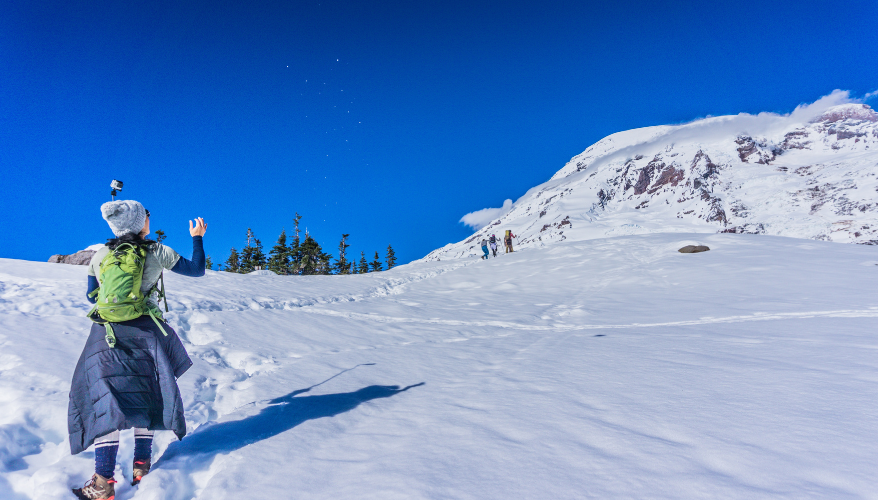
🧳 Pack clothing for all temperatures
Winter weather swings wildly depending on the region and elevation.
Death Valley can enjoy mild daytime temperatures, while Bryce Canyon regularly plummets below zero.
Here is what you need to bring:
- Thermal layers and clothes that are easy to put on and take off.
- A warm, waterproof jacket for cold or snowy days.
- Sturdy walking boots, ideally with traction cleats if the trails are icy.
- Gloves, a beanie and warm socks for high-altitude visits.
- Sunglasses and sunscreen, which are essential even in winter.
❄️ Keep your itinerary flexible
If a snowstorm hits Bryce Canyon or the Grand Canyon, it is always safer to push back your visit than to brave the roads in treacherous conditions.
Whenever possible, build a few multi-night stays into the main stops on your road trip and double-check the cancellation policies for your accommodation and activities.
Winter in the American West is wonderfully rewarding, as long as you take your time and stay adaptable.
Would you ever consider exploring the American West in the snow? Let us know your thoughts or share your own experiences in the comments below.


About the author
![Marylène Fauvelle]()
Marylène Fauvelle
Montreal, Quebec
I’ve been with Authentik since 2007, so I’ve seen plenty of travellers come and go… and worn quite a few hats along the way! From sales to operations, with many different roles in between, I’ve gained a unique understanding of Authentik and the world of travel. Now, I’m trying my hand at blogging to share some of the experience I’ve picked up over the years.

I’ve been with Authentik since 2007, so I’ve seen plenty of travellers come and go… and worn quite a few hats along the way! From sales to operations, with many different roles in between, I’ve gained a unique understanding of Authentik and the world of travel. Now, I’m trying my hand at blogging to share some of the experience I’ve picked up over the years.


Leave a comment
Répondre à: -
delete my replyYour e-mail address will not be shared