


Big Bend National Park (the ultimate guide)

Located in the southwest of Texas, Big Bend National Park reveals spectacular landscapes where mountains, desert, and majestic meanders of the Rio Grande come together.
This wild park, one of the largest in Texas with its 3,200 km², will transport you to a world where nature reigns supreme, between the dizzying cliffs of Santa Elena Canyon and the peaks of the Chisos Mountains.
Discover our ultimate guide to Big Bend Park to plan your next adventure in this preserved jewel of Texas!
Where is Big Bend National Park located?

Nestled in the southwest of Texas, at the border with Mexico, Big Bend extends over more than 3,200 km² of preserved lands. This vast wilderness owes its name to the impressive curve of the Rio Grande that winds along its borders.
The nearest town, Alpine, is located 160 km north of the park. To access it, two main entrances are available to visitors: Persimmon Gap in the north via US-385, and Maverick Junction in the west via TX-118.
Spending a night on site is essential to fully appreciate the vastness of this territory, where distances are measured in hours rather than kilometers.
Why visit Big Bend National Park?

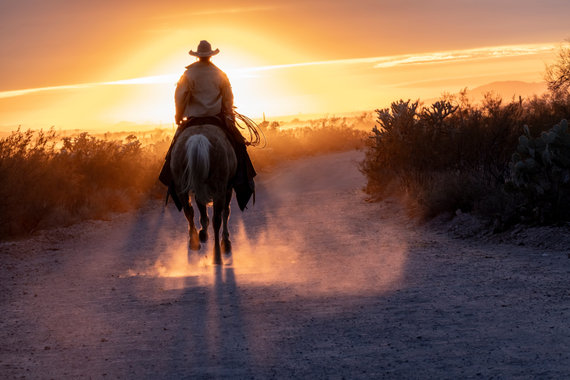
With its 450 species of birds and exceptional biodiversity, Big Bend National Park offers unique encounters with wildlife, notably the majestic black bears that inhabit the mountains.
The Chihuahuan Desert unfolds its glorious landscapes over more than 3,200 km², offering spectacular views from the viewpoints of the Chisos Mountains, which rise to over 2,300 meters in altitude.
At night, the park transforms into an exceptional natural observatory, recognized as one of the best places in the United States to gaze at the stars, far from any light pollution.
A destination you absolutely must include on your itinerary for your next Texas road trip.
The Must-Sees of Big Bend National Park


#1 Chisos Mountains
The Chisos Mountains rise in the heart of the park like a mountainous oasis reaching 2,377 meters in altitude. This unique range represents the only mountainous formation entirely contained within a U.S. national park.
The Lost Mine Trail, a 4.8 km round-trip iconic trail, takes you through layers of sedimentary rocks to a breathtaking panorama of the surrounding desert. For a more ambitious hike, the South Rim offers a 20 km loop with sweeping views of the Rio Grande.
#2 Santa Elena Canyon
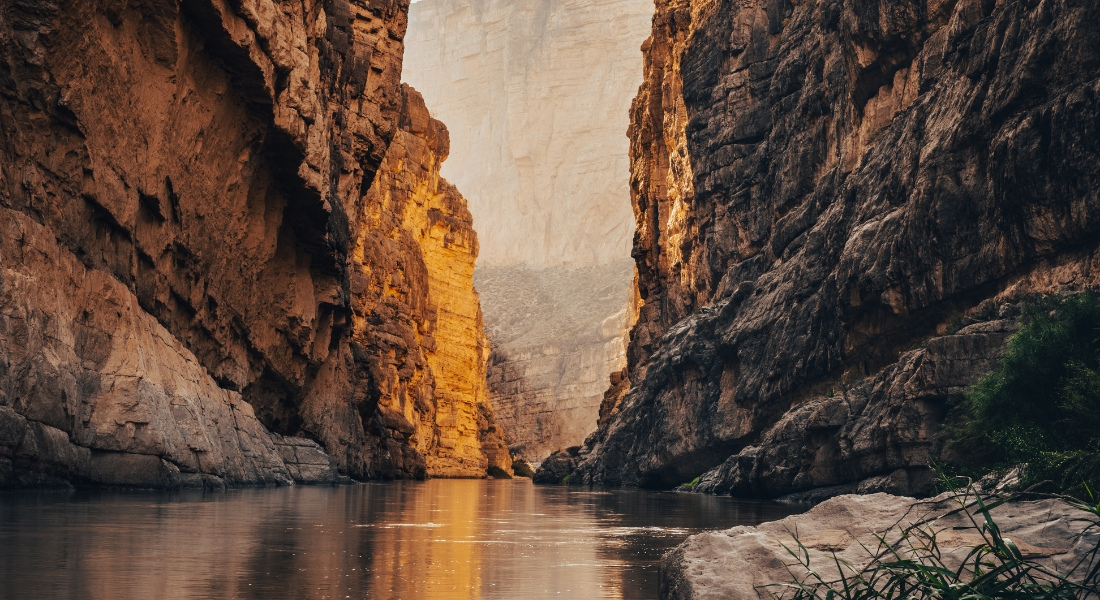
The Santa Elena Canyon represents one of the park's most spectacular geological wonders, with its towering walls rising over 450 meters above the Rio Grande.
This natural formation marks the border between the United States and Mexico, creating a striking scene where golden limestone contrasts with the emerald waters of the river. A 2.8 km (round-trip) developed trail allows you to explore the first kilometers of the canyon.
For photographers, the site reveals all its splendor at sunrise when the first rays illuminate the ocher walls of the canyon.
#3 Rio Grande
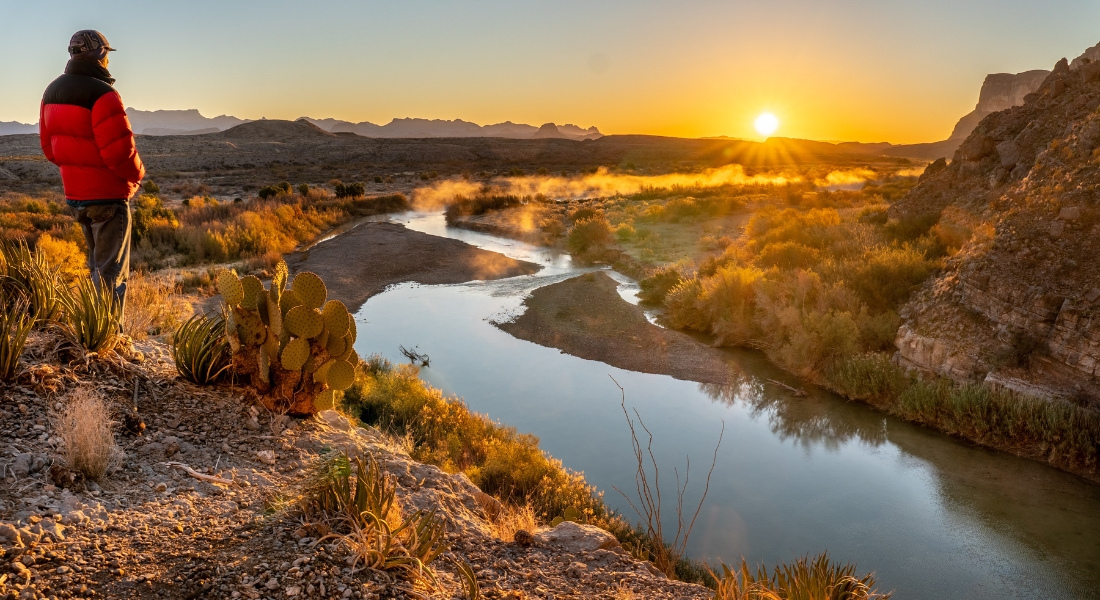
Rafting and kayaking on the Rio Grande offer a unique perspective on the park’s three iconic canyons. Guided excursions regularly depart from Terlingua, offering adventures ranging from a half-day to several consecutive days.
The Santa Elena, Mariscal, and Boquillas canyons reveal their monumental walls during your navigation. These rock formations, sculpted by millions of years of erosion, rise several hundred meters above the river.
For beginners, a kayak route in the Rio Grande Village area allows for observation of rich local wildlife. Migratory birds find refuge in this preserved wetland, and the lucky may even spot a deer or a javelina near the banks.
#4 Chihuahuan Desert
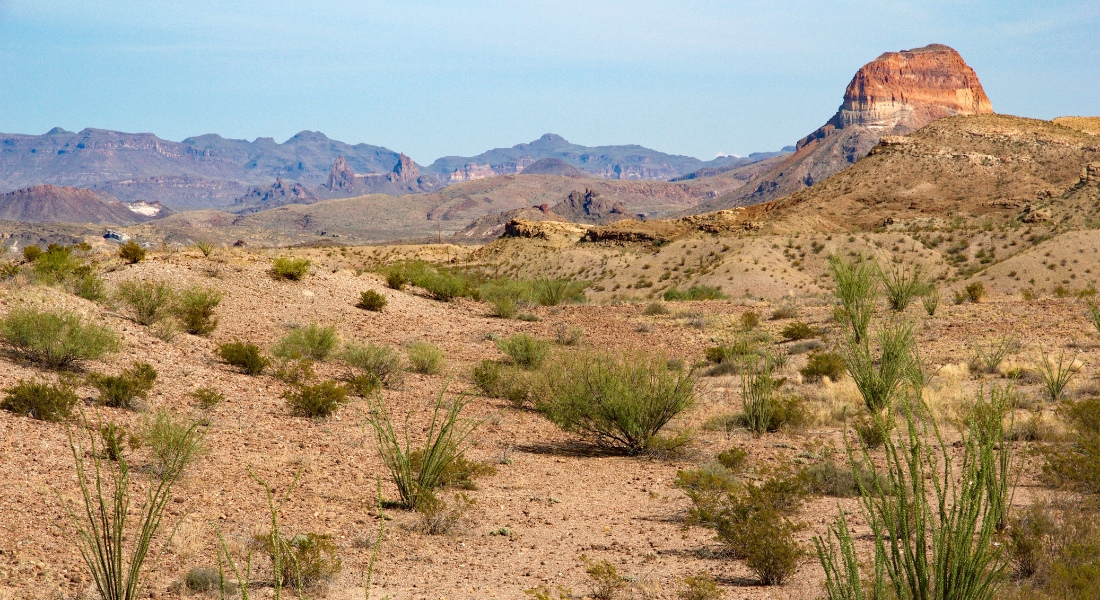
The Chihuahuan Desert represents one of the most fascinating areas of Big Bend National Park. This vast desert expanse is home to surprising biodiversity with more than 60 species of cacti, yuccas, and agaves thriving in this arid climate.
Three must-do hikes allow you to explore its unique landscapes:
- The Chihuahuan Desert Nature Trail, an easy 800-meter loop located at Dugout Wells, offers an excellent introduction to the desert ecosystem. Interpretive panels along the trail help identify local flora.
- The Grapevine Hills Trail, a 3.5 km round-trip hike, leads you through the desert to a spectacular balanced rock formation. The trail begins at the end of Grapevine Hills Road and offers remarkable views of the surrounding mountains.
- The Mule Ears Spring Trail, a 5.6 km round-trip route, crosses the heart of the desert to a natural spring. This verdant oasis contrasts beautifully with the surrounding desert tracks and characteristic rock formations of the park.
Consider bringing at least 4 liters of water per person and setting out early in the morning to avoid extreme heat, especially between May and September.
The Best Hikes in the Park

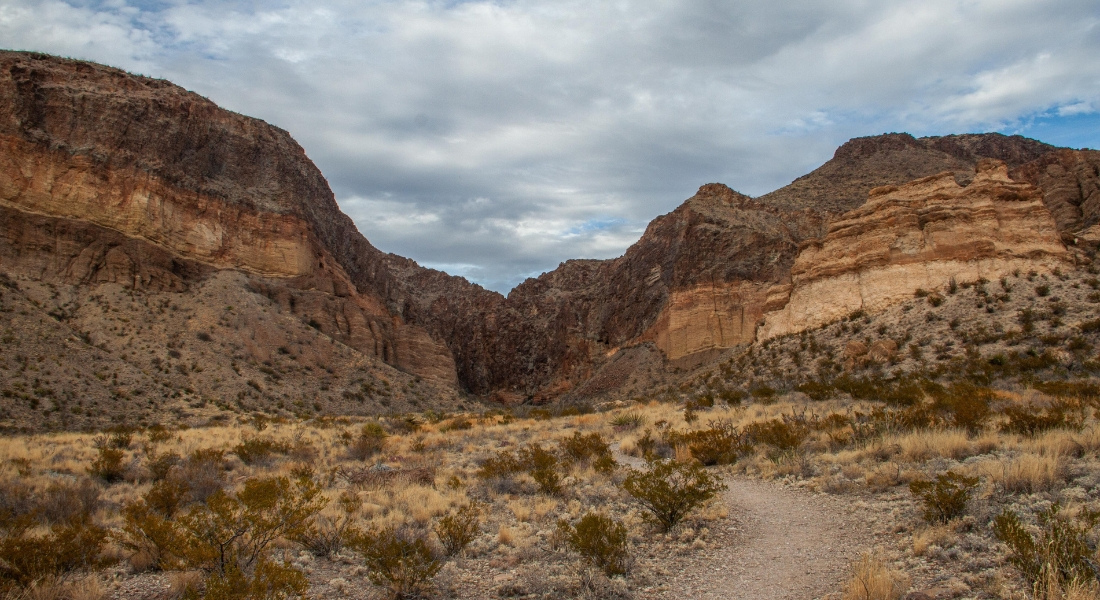
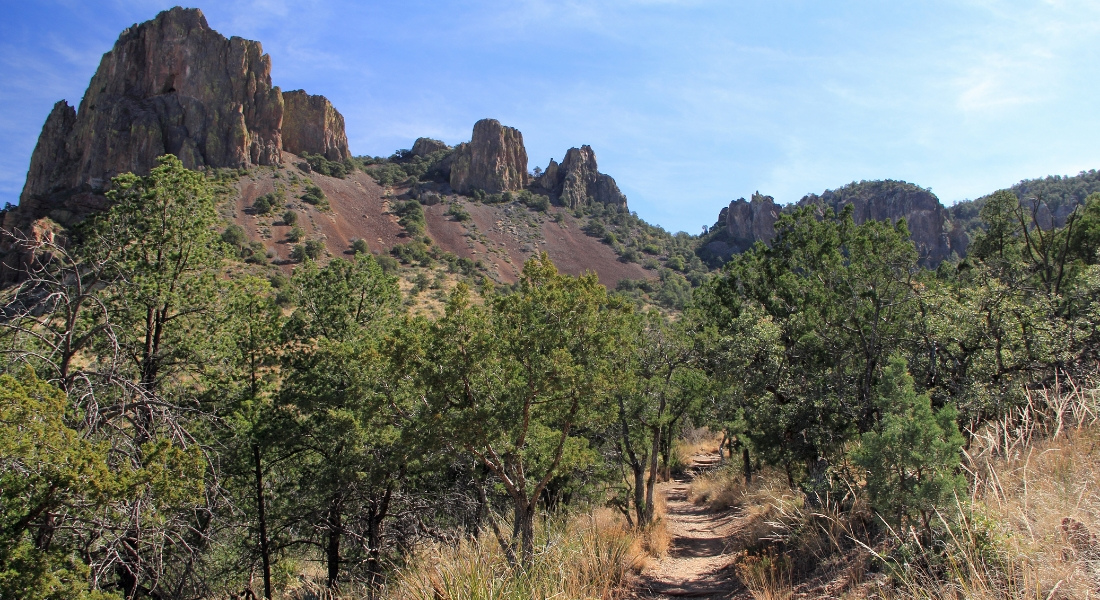


 Lost Mine Trail
Looking for a moderate hike offering spectacular views? This 4.8 km (round-trip) trail traverses lush vegetation typical of the Chisos Mountains.
Midway, a natural observation point reveals a stunning panorama over Casa Grande and Juniper Canyon. Photographers will particularly appreciate the morning's golden light on the cliffs.
The steady climb leads you through a forest of junipers and pines to the summit. From up there, your gaze stretches to Mexico and the majestic Sierra del Carmen.
To make the most of this experience, set out early in the morning as parking is limited. Don't forget your camera and 2 liters of water per person.
Window Trail
The Window Trail winds over 9 km round-trip through Oak Creek Canyon, leading to a natural window carved into the rock. This spectacular opening frames the vast expanses of the Chihuahuan Desert.
The trail starts at the Chisos Basin, gradually descending through changing vegetation. The rock walls gradually narrow, creating a natural corridor where the echoes of wind mingle with bird songs.
The highlight of the journey is at "The Window", a narrow gap where rainwater cascades during storms. This unique geological formation offers a natural frame on the Texan horizon, particularly photogenic at sunset.
The ascent requires more physical effort, but the numerous views of the Chisos Mountains make each pause pleasant.
South Rim Trail
The South Rim loop takes you to the top of the park's most impressive cliffs. This challenging 23 km hike rewards seasoned hikers with a 360° view of the Chihuahuan Desert and the mountains of Mexico.
The trail passes through pine and oak forests before reaching the dizzying cliffs of the South Rim. The 610 meters of elevation gain are gradually climbed, offering opportunities to rest in shaded clearings.
The fresh air of the heights and the absolute silence create a unique atmosphere at over 2000 meters altitude. The luckiest may spot the majestic flight of peregrine falcons nesting on these walls between February and May.
Emory Peak
The highest point of the Chisos Mountains at 2,388 meters, the summit of Emory Peak offers you a unique experience in the park. The 10.5 km round-trip hike starts from the Chisos Basin parking lot, passing through vegetation that evolves with the ascent.
The 800 meters of elevation gain are gradually climbed on a well-marked trail, interspersed with shaded areas suitable for breaks. The last meters require a short rock scramble, adding a touch of adventure to your conquest of the roof of Texas.
At the summit, a 360° panorama unveils the vastness of the Chihuahuan Desert, the meanders of the Rio Grande, and the Mexican mountain ranges. Photographers will particularly appreciate the low sunlight of sunrise on the surrounding reliefs.
Must-see Activities
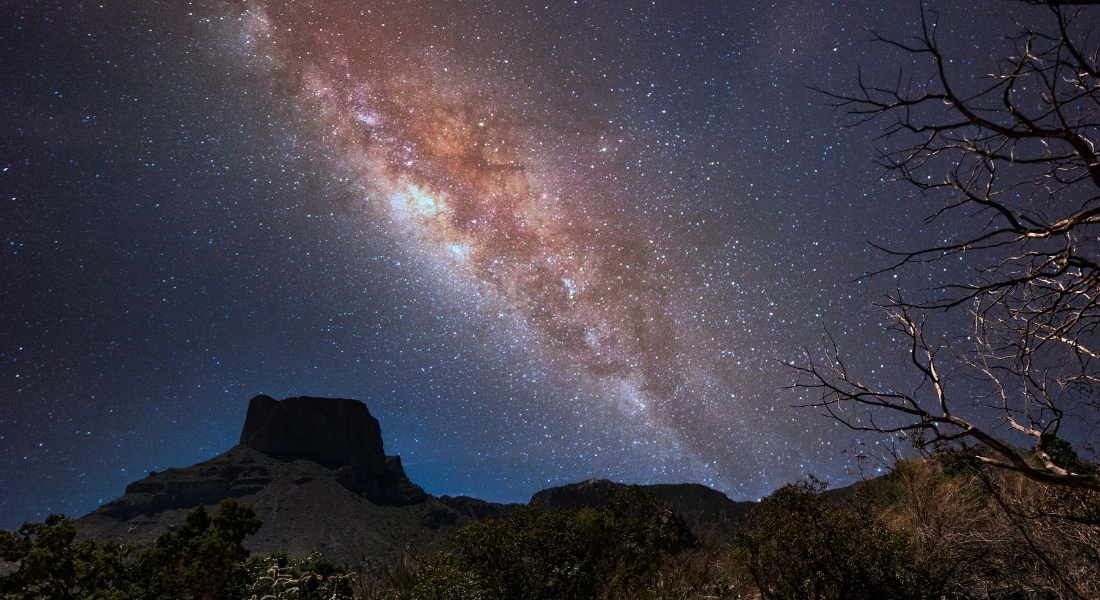
 Big Bend national Park nigh sky
Far from any light pollution, Big Bend National Park offers you an exceptional celestial spectacle. The region benefits from the prestigious status of Dark Sky Reserve, ensuring optimal conditions for stargazing.
The stargazing evenings organized by rangers allow you to discover the constellations and the Milky Way, particularly visible from March to October.
 Kayaking on the Rio Grande
The agencies in Terlingua offer kayaking excursions suitable for all levels on the Rio Grande. You will navigate between the spectacular walls of Santa Elena Canyon, Mariscal Canyon, or Boquillas Canyon depending on your choice of itinerary.
For a first experience, opt for a half-day outing in the Santa Elena sector. The calm waters and the grandiose landscapes will allow you to fully appreciate this unique perspective on the park's cliffs.
The more adventurous will choose a 2 to 3-day excursion to explore the remote meanders of the river. Camps are set up on the banks, offering a total immersion in the wilderness of Big Bend.
Book your outing at least 48 hours in advance during the high season, from March to May. Guides provide all the necessary equipment, but don't forget a hat, sunscreen, and water-friendly shoes.
 Photo Safari
Amateur and professional photographers will find in the varied landscapes of Big Bend an incomparable playground. From the ochre cliffs of Santa Elena Canyon to the wild meadows of the Chisos Mountains, each area of the park reveals its unique character according to the daylight.
The diversity of wildlife enriches your shooting possibilities: birds of prey in flight, deer in the meadows, or foxes in the desert. The golden hours, particularly at sunrise near Panther Junction, bathe the reliefs in shimmering hues.
To capture the essence of the park, plan to stay several days in the region.
Visiting Big Bend with Kids

Big Bend National Park offers many family-friendly activities to introduce children to nature. The Junior Rangers program allows the youngest to explore the park in a fun and educational way. By completing an activity booklet available at the visitor centers, they can earn their official junior ranger badge.
Several easy hikes are perfect for families:
- The Chihuahuan Desert Nature Trail (800 m) with its informational panels about flora and fauna
- The Window View Trail (0.5 km) offering an accessible panoramic view
- The Rio Grande Village Nature Trail (1.2 km) ideal for bird watching
To make the most of your family visit, choose activities early in the morning or late afternoon to avoid the intense heat. Don't forget to bring enough water, hats, and sunscreen to protect children from the intense sun of the Texas desert.
Where to Stay in Big Bend?

Camping in the National Park
Experiencing the adventure under the stars of Big Bend becomes a reality thanks to the park's three main campgrounds. The Chisos Basin Campground, nestled at 1,600 meters altitude, offers 60 sites with a spectacular view of the mountains. This campground remains the most popular during the cool season.
The Rio Grande Village offers 100 sites near the river, ideal for kayaking enthusiasts and bird watchers. Nearby, a campground with full services accommodates 25 RVs with electric and water hookups.
Small primitive campgrounds are also scattered along the hiking trails for those who wish to immerse themselves in the wilderness for several days. A special permit, available at the Visitor Center, is required for these isolated sites.
 To book your campsite, visit the official site: recreation.gov
Chisos Mountains Lodge
Nestled in the heart of Big Bend National Park, the Chisos Mountains Lodge is the only accommodation available inside the park. Located in the magnificent Chisos Basin at 1646 meters altitude, this historic lodge offers 72 non-smoking rooms ranging between classic hotel rooms and stone cottages built in the 1940s. Visitors will particularly appreciate the on-site amenities, including a panoramic restaurant, a souvenir shop, and a grocery store. Its central location makes it an ideal starting point for exploring the surrounding hiking trails. Note that the lodge will close its doors starting in July 2025 for major renovations that will last about two years. It is therefore advisable to book well in advance to enjoy this unique place before its transformation.
Accommodations Nearby
Marathon, located 30 minutes from the park's north entrance, offers several charming establishments such as the Gage Hotel, a historic 1920s mansion featuring a pool and landscaped gardens.
The ghost town of Terlingua, near the west entrance, is home to the Big Bend Resort and Adventures, offering comfortable rooms and exclusive access to park activities. Authenticity lovers will appreciate the traditional cabins at Terlingua Ranch Lodge, perched on the desert hills.
In Lajitas, the Lajitas Golf Resort combines western elegance with spectacular views of the Rio Grande, offering luxurious suites and a unique golf course in the middle of the desert. Its strategic location makes it easy to explore both the national park and the neighboring Big Bend Ranch State Park.
What temperatures to expect at Big Bend National Park?

The weather conditions in the Big Bend National Park can vary greatly depending on altitude and season. In the low desert areas, summer temperatures regularly exceed 38°C, while the summits of the Chisos Mountains offer relative coolness with highs around 25°C.
Spring (March-May) and fall (October-November) are the ideal periods to visit the park, with moderate temperatures and limited precipitation. Winters are mild in the valleys but can become cold at higher altitudes, where occasional snowfalls are not uncommon.
Summer thunderstorms usually occur between July and September, sometimes causing flash floods in the canyons. It is essential to check the weather forecast at the Panther Junction Visitor Center before venturing on hiking trails, especially during the hot season when temperatures can become extreme.
Practical Information

Access and Transportation
The Big Bend National Park is served by two major airports: Midland/Odessa, 235 miles from the park center, and El Paso, 330 miles away. Renting a vehicle is essential to explore this vast region.
There are two main entrances to the park: the north entrance via US-385 from Marathon, and the west entrance via TX-118 from Study Butte. The journey from San Antonio takes approximately 7 hours by car.
The 160 km of paved roads inside the park connect the main sites, including the Chisos Basin Road and the Ross Maxwell Scenic Drive.
Park Entrance Fees and Permits
Park entry costs $30 per vehicle for a validity of 7 days. Pedestrians and cyclists pay $15 per person. The America the Beautiful annual pass at $80 is an economical option if you plan to visit other national parks.
For backcountry camping, a special permit of $10 per night is required. Visit the Panther Junction Visitor Center to obtain it, at least 24 hours before your stay. Rangers will inform you of the accessible areas depending on the season.
Kayak excursions on the Rio Grande also require a specific permit of $12 per boat. Park-approved guides can help you obtain the necessary authorizations to navigate this border river.
Services in the Park
Stores and Supplies
- Panther Junction: grocery store, gas station, and souvenir shop
- Chisos Basin: camping store and souvenir shop
- Rio Grande Village: grocery store and gas station
- Castolon: small historical store (open from November to April)
Gas Stations
Two gas stations are available in the park:
- Panther Junction
- Rio Grande Village
Wi-Fi and Phone
- Wi-Fi Connection available at Chisos Mountains Lodge and Panther Junction
- Phone coverage is very limited in the park
- Public telephones are installed at the main visitor centers
Frequently Asked Questions - Big Bend National Park
Is Big Bend a national park or a state park?
Created in 1944, Big Bend holds the status of an American national park, which grants it higher federal protection than a state park.
Which state is Big Bend National Park in?
Situated in the rugged southwestern corner of Texas, Big Bend National Park spans across Brewster County, the largest county in the Lone Star State. The park's dramatic terrain encompasses over 800,000 acres of the Chihuahuan Desert wilderness, making it one of the most expansive protected areas in Texas.
When is the best time to visit Big Bend?
Autumn and winter offer the most pleasant temperatures for exploring Big Bend, with averages between 15 and 28°C. These seasons allow you to fully enjoy hiking and outdoor activities without suffering from the extreme summer heat that can reach 40°C.
What essential gear should I bring?
A good preparation of your hiking gear is essential to fully enjoy Big Bend. Bring sturdy shoes, clothing adaptable to temperature variations, a hat, and sunglasses. Carry at least 4 liters of water per person per day, a first aid kit, a headlamp, and a detailed park map.
How many days should you plan to visit Big Bend?
A stay of at least two days is necessary to discover the main attractions of Big Bend. The park's vastness and long distances between points of interest require time for travel. An overnight stay allows you to enjoy the desert landscapes at sunset and observe the magnificent starry sky. Hikers wishing to explore the Chisos Mountains trails in depth will easily plan three to four days.
What are the national parks in Texas?
Texas is home to two natural gems protected by the National Park Service:
- To the west, the Guadalupe Mountains house the state's highest peak with their majestic summit at 2,667 meters above sea level. Hikers discover a mosaic of landscapes, from desert prairies to pine forests, accessible by more than 80 miles of marked trails.
- Further south, Big Bend reveals its 800,000 acres of desert, mountains, and canyons along the Rio Grande. A steep slope characterizes several iconic trails, including the Lost Mine Trail, offering spectacular views of neighboring Mexico.
Big Bend National Park represents a unique destination where desert, mountains, and the Rio Grande meet to create breathtaking landscapes. From rugged trails to well-marked hiking paths, and the scenic routes, every corner of the park promises a memorable adventure.
Whether you are a hiking enthusiast, a photography lover, or simply seeking an escape, this journey into the heart of the wild Texas will leave you with lasting memories. Don't wait any longer to plan your exploration of this natural gem, where time seems to stand still and nature still reigns supreme.


Leave a comment
Répondre à: -
delete my replyYour e-mail address will not be shared
1 comment