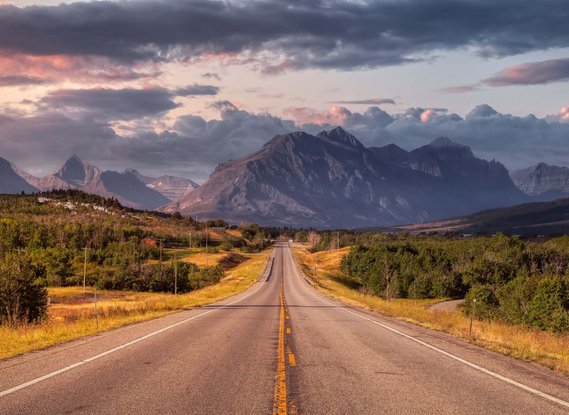
The best 2-week itinerary in the American Rockies in 2026 according to travelers
Based on Authentik USA's sales data, this USA road trip is the best two-week itinerary for exploring the American Rockies. Proven by the numbers!
What makes this route stand out? It combines iconic national parks such as Yellowstone and Grand Teton with authentic Western towns and spectacular scenic drives – all without feeling like you're spending your entire holiday behind the wheel.
At a glance: The best 15-day American Rockies itinerary
This itinerary is Authentik USA travellers' favourite two-week road trip for exploring the American Rockies. It strikes the perfect balance between iconic national parks, authentic Western towns and scenic drives, without spending long hours behind the wheel.
| Road trip stop | Time spent there | Average number of nights | Why this stop is unmissable |
|---|---|---|---|
| Denver | Days 1 to 2 | 1.3 nights | Pick up your motorhome and visit Red Rocks before heading into the Rockies. |
| Cheyenne | Day 3 | 1 night | Soak up Wyoming’s Western atmosphere in the historic capital of rodeo. |
| Mount Rushmore | Day 4 | 1.4 nights | See one of the USA’s most iconic monuments, set in the heart of the Black Hills. |
| Buffalo | Day 5 | 1 night | Enjoy a pleasant stop before the long drive towards Yellowstone. |
| Cody & Yellowstone | Days 6 to 9 | 3.9 nights | Discover Buffalo Bill’s legacy, then explore the geysers, wildlife and unique landscapes of the world's first national park. |
| Grand Teton | Days 10 to 11 | 1.9 nights | Take in some of the Rockies’ finest views, from dramatic peaks and glacial lakes to wildlife watching. |
| Dinosaur National Monument | Day 12 | 1 night | See dinosaur fossils still embedded in the rock and explore a lesser-known park. |
| Rocky Mountain National Park | Days 13 to 14 | 2 nights | Round off your road trip with alpine scenery and the spectacular Trail Ridge Road. |
| Denver | Day 15 | 1.3 nights | Return your motorhome and catch your flight home, while avoiding one-way drop-off fees. |
Our data shows that trips including Yellowstone last an average of 22 nights and cover 12 stops. By contrast, travellers on two-week road trips tend to choose an itinerary of around 14 days, spread across seven stops – averaging almost two nights at each destination.
That's exactly the pace this itinerary follows.
If you have three weeks to spare, Authentik USA travellers generally favour our Unspoiled Nature itinerary, which extends this loop to Zion National Park via Salt Lake City.
Get a real-time quote for your travel dates here:
€791 / adult
Days 1–2: Denver
PRACTICAL INFORMATION
- Average flight time from Europe: around 10–11 hours on a direct flight (Paris to Denver)
- Transfer time from the airport to the city centre: around 30–40 minutes
- Landscape: Modern city, skyscrapers, historic neighbourhoods and the gateway to the Rockies
- Families: A great city to explore, with museums, parks, a zoo and Red Rocks just a short drive away
- Accessibility: Modern airport, excellent public transport and easy access to the city's main attractions
Why start your American Rockies road trip in Denver?
For a two-week American Rockies road trip, Denver is the preferred starting point for Authentik USA travellers. Nearly 4 in 10 travellers choose to begin their two-week itinerary here, ahead of Salt Lake City, which attracts 3 in 10 travellers (based on Authentik USA sales data, 2022–2026).
Denver International Airport and its close proximity to Rocky Mountain National Park make it an ideal gateway to the Rockies.
:idea: From Denver, Authentik USA travellers overwhelmingly choose to travel by RV, with 84% opting for this type of trip. The trend is just as clear for two-week itineraries that include Yellowstone, where 76.6% of travellers choose an RV.
Compare available RVs in just two clicks here:
What to do in Denver?
Denver is often considered the gateway to the American Rockies. Before you hit the road, here are the experiences I recommend you don't miss.
1. A must for first-time visitors – Red Rocks Park & Amphitheatre
A spectacular natural amphitheatre carved between towering red sandstone formations. Even if there's no concert on, it's well worth the visit.
2. The best place to explore downtown – Union Station
Denver's historic railway station has been transformed into a lively hub filled with cafés, restaurants and independent shops. It's the perfect starting point for exploring the city.
3. Ideal for street art lovers – RiNo Art District
A trendy neighbourhood known for its huge murals, art galleries, craft breweries and creative atmosphere.
4. A must if you enjoy museums – Denver Museum of Nature & Science
One of the finest museums in the American West, featuring fascinating exhibitions on dinosaurs, space exploration and the landscapes of the Rockies.
5. Perfect for a relaxed stroll before your road trip – Larimer Square
Denver's historic district, lined with beautifully preserved 19th-century buildings, excellent restaurants and a lively evening atmosphere.

Where to stay in Denver?
Authentik USA travellers spend an average of 1.3 nights in Denver, usually at the beginning or end of their American Rockies road trip.
Among the most frequently booked hotels are the DoubleTree Hotel Denver, The Curtis Denver and the Cambria Hotel Denver Downtown RiNo, all conveniently located for exploring the city before setting off on your road trip.
Day 3: Cheyenne
PRACTICAL INFORMATION
- Driving time from Denver: around 1 hour 45 minutes (170 km)
- Landscape: Wyoming's wide-open plains, a historic Western town and working ranches
- Families: Pleasant historic centre, the Cheyenne Depot Museum, Big Boots sculptures and the Wyoming State Capitol
- Accessibility: Compact town centre that's easy to explore on foot
Why incorporate Cheyenne into your American Rockies road trip?
Cheyenne offers an excellent first immersion into the American West. While most travelers head directly to Rocky Mountain National Park, 2 out of 10 travelers choose to stop in Cheyenne to discover its western heritage before continuing to Mount Rushmore.
This variation, included in this itinerary, allows for a gradual connection from the Great Plains to the Rockies while limiting long driving days.
What to do in Cheyenne?
Cheyenne is the capital of Wyoming and one of the most iconic cities of the American Wild West. Here are the experiences I recommend during your visit.
1. A must-see for discovering the history of the Wild West - Cheyenne Depot Museum
Housed in the city's old train station, this museum traces the arrival of the railroad and the birth of Cheyenne during the conquest of the West.
2. Ideal for soaking up the Western atmosphere - Historic Downtown Cheyenne
Wander among historic buildings, boot and hat shops, saloons, and the famous giant cowboy boots decorated by local artists.
3. Not to be missed for history buffs - Wyoming State Capitol
Fully restored, the Wyoming Capitol is one of the most beautiful public buildings in the state and can be visited for free.
4. Perfect for a typical cowboy experience - Terry Bison Ranch
Observe bison, enjoy a horseback ride, or hop aboard the ranch's train to discover the wide-open spaces of Wyoming.
5. If you're traveling in July - Cheyenne Frontier Days
The largest outdoor rodeo in the world attracts thousands of visitors each summer with rodeo competitions, country concerts, and Western parades.
Book an appointment with a local advisor
They are here to listen and help you realize your dreams.
Book an appointment
Where to sleep in Cheyenne?
Travelers stopping in Cheyenne spend an average of 1 night, which allows enough time to discover the city and its Western atmosphere before continuing to Mount Rushmore.
If you are traveling by !!!VR!!!, you will find several options for overnight stays, such as Cheyenne RV Resort or Terry Bison Ranch Resort, which even allows you to stay in a typically Western setting. Those who prefer more comfort can opt for a hotel located near the city center.
Day 4: Mount Rushmore
PRACTICAL INFORMATION
- Driving time from Cheyenne: approximately 4h30 to 5h (450 km)
- Landscape types: Pine forests, Black Hills mountains, granite cliffs
- Families: Presidential Trail, Visitor Center, and lighting ceremony in season
- Accessibility: Memorial fully equipped with ramps, elevators, and accessible viewpoints
Why incorporate Mount Rushmore into your American Rockies road trip?
If you wish to discover the great symbols of the American West, Mount Rushmore is well worth a detour. Carved directly into the granite of the Black Hills, this iconic monument depicts Presidents George Washington, Thomas Jefferson, Theodore Roosevelt, and Abraham Lincoln, and is one of the most famous sites in the United States.
Authentik USA data shows that 83.2% of travelers leaving Cheyenne choose to stop at Mount Rushmore, while 16.8% go straight to Shoshoni to save time heading towards Yellowstone.
This choice perfectly illustrates the compromise between a faster itinerary and a richer travel experience. The vast majority of travelers prefer to dedicate a day to the Black Hills before continuing their journey towards Wyoming.
What to do at Mount Rushmore?
Mount Rushmore can easily be explored in a few hours, but the surrounding Black Hills are also worth a visit. Here are the experiences I recommend.
1. A must-see for a first discovery - Mount Rushmore National Memorial
Admire the famous faces of George Washington, Thomas Jefferson, Theodore Roosevelt, and Abraham Lincoln carved into the mountain.
2. Ideal for understanding the monument's history - Lincoln Borglum Visitor Center
Discover the behind-the-scenes story of Mount Rushmore's construction through exhibits, films, and models at the visitor center.
3. To admire the memorial from another angle - Presidential Trail
This short loop of about 1 km allows you to get closer to the sculptures and observe the monument from different viewpoints.
4. Not to be missed if you love scenic drives - Iron Mountain Road
This spectacular road alternates tunnels, pigtail bridges, and viewpoints offering unique perspectives of Mount Rushmore.
5. To complete your visit - Crazy Horse Memorial
About thirty minutes from Mount Rushmore, discover the immense sculpture dedicated to the Native American chief Crazy Horse, still under construction.
Similar articles
Where to sleep near Mount Rushmore?
Travelers stopping at Mount Rushmore spend an average of 1.4 nights, which allows time to discover the memorial as well as the main sites of the Black Hills.
If you are traveling by RV, Kemp's Kamp (Keystone) and Sheridan Lake Camp (Hill City) are among the preferred accommodations by Authentik USA travelers.
Day 5: Buffalo
PRACTICAL INFORMATION
- Driving time from Mount Rushmore: approximately 3h30 (330 km)
- Landscape types: Great plains, ranches, gateway to the Bighorn Mountains
- Families: Historic center, Jim Gatchell Museum, Occidental Hotel and Wild West atmosphere
- Accessibility: Easily accessible city center, travel primarily by car
Why include Buffalo in your American Rockies road trip?
Buffalo is the ideal stop between Mount Rushmore and Yellowstone. It helps break up a long driving day, allows you to discover the authentic and more isolated atmosphere of Wyoming, and approach the large parks more rested.
Authentik USA data shows that 6 out of 10 travelers leaving Mount Rushmore stop in Buffalo, while 4 out of 10 first pass through Deadwood before continuing west.For a 2-week road trip, I recommend favoring Buffalo. You'll optimize your time in the Rockies and enjoy Yellowstone and Grand Teton more, the real highlights of this itinerary.
What to do in Buffalo?
Buffalo is a small stopover town, but it has much more charm than one might imagine. It's truly a pleasant western town located at the foot of the Bighorn Mountains. It's the ideal place to take a break before reaching Yellowstone while discovering a more authentic Wyoming.
1. A must-see to discover the city's history - Historic Downtown Buffalo
Stroll along Main Street, between historic buildings, western boutiques, and typical cafes.
2. Not to be missed - Occidental Hotel
Open since 1880, this legendary hotel has hosted Buffalo Bill, Calamity Jane, Teddy Roosevelt, and Butch Cassidy. A true piece of Wild West history.
3. Ideal for nature lovers - Bighorn National Forest
If you have a few hours, take the scenic route to the Bighorn Mountains to enjoy magnificent landscapes and observe wildlife.
4. For history buffs - Jim Gatchell Memorial Museum
This small museum traces the history of pioneers, Native Americans, and the large ranches that shaped this region of Wyoming.
5. To end the day - Dinner in a Western saloon
Enjoy your evening tasting a Wyoming steak or a burger in one of the historic downtown restaurants.

Where to sleep in Buffalo?
Buffalo is primarily a stopover town between Mount Rushmore and Yellowstone. Travelers usually spend only 1 night there, just enough time to break up the drive before continuing to Cody or Yellowstone National Park.
If you are traveling by RV, Indian Campground & RV Park is one of the options used by Authentik USA travelers. You will also find some motels, chain hotels, and campsites suitable for a short stopover.
Days 6 to 9: Cody and Yellowstone
PRACTICAL INFORMATION
- Driving time from Buffalo: about 3h30 to 4h (X km)
- Types of landscape: Geysers, hot springs, canyons, waterfalls, valleys, and vast prairies
- Families: Wildlife observation, accessible walks, interpretive centers, and numerous viewpoints
Is it advisable to stop in Cody before reaching Yellowstone?
Cody is the ideal gateway to Yellowstone if you are arriving from the east. A stay in Yellowstone Park wouldn't be complete anyway without a visit to this small town founded by the famous Buffalo Bill in 1896!
Authentik USA data shows that 100% of travelers who stop in Cody then continue their journey to Yellowstone. This is no coincidence: sleeping in Cody allows you to approach the park more calmly, while enjoying a lively town, numerous restaurants, and very valuable services before several days in the heart of nature.
Why include Yellowstone in your American Rockies road trip?
Yellowstone is the centerpiece of an American Rockies road trip. The world's first national park, it is famous for its geysers, multicolored hot springs, wildlife, and spectacular landscapes.
Authentik USA data shows that 15% of travelers exploring the American West choose to include Yellowstone in their itinerary. This figure is explained by the park's remoteness, which requires dedicating several days to it. For a trip centered on the American Rockies, however, Yellowstone is simply unmissable.
It's no coincidence that nearly 8 out of 10 travelers discovering the American Rockies choose an RV itinerary. Yellowstone is particularly well suited to this mode of travel thanks to its numerous campsites, scenic roads, and the possibility of staying directly in the heart of the park to enjoy the emblematic sites from sunrise.
Compare available RV in 2 clicks directly here:
What to do in Yellowstone?
Authentik USA travelers who book an activity in Yellowstone almost exclusively choose a guided wildlife observation tour.
Accompanied by a naturalist guide, it's one of the best ways to observe bison, elk, wolves, bears, and other iconic animals of the park, while benefiting from an expert's knowledge of their behavior and the best observation areas.

Beyond this activity, the major must-sees remain:
1. A must-see - Old Faithful
The world's most famous geyser erupts approximately every 60 to 110 minutes. A natural spectacle not to be missed under any circumstances.
2. The most spectacular site - Grand Prismatic Spring
With its vibrant colors and immense hot water basin, this spring is one of Yellowstone's most photographed landscapes.
3. To observe wild animals - Lamar Valley
Nicknamed the "Serengeti of North America," this valley is one of the best places to spot bison, wolves, bears, and coyotes.
4. To discover the most beautiful waterfalls - Grand Canyon of the Yellowstone
Its colorful cliffs and impressive waterfalls are among the park's most spectacular panoramas.
5. Not to be missed - Mammoth Hot Springs
These travertine terraces shaped by hot springs offer a completely different landscape from the rest of Yellowstone.
Where to sleep in Yellowstone?
According to Authentik USA booking data between 2022 and 2025 (over 750 overnight stays analyzed):
- Travelers spend an average of 3.9 nights in Yellowstone (including overnight stays in Cody)
- The most booked accommodations are campgrounds located inside the park, notably Madison Campground, Grant Village Campground, Bridge Bay Campground, Canyon Campground, and Fishing Bridge RV Park.
- Travelers who prefer more comfort generally choose to stay in the main park entrances, particularly in West Yellowstone, Gardiner, or Cody, depending on their itinerary.
Days 10 to 11: Grand Teton
PRACTICAL INFORMATION
- Driving time from Yellowstone: approximately 1h30 to 2h (123 km from the south of the park)
- Types of landscape: Alpine peaks, glacial lakes, large meadows and Snake River
- Families: Jenny Lake, bison observation, easy walks and lake cruises
- Accessibility: Many viewpoints directly accessible by car.
Why include Grand Teton in your American Rockies road trip?
Grand Teton is the natural extension of Yellowstone. Just a few kilometers south of the park, its rugged peaks, high-altitude lakes, and abundant wildlife offer a striking contrast to Yellowstone's geothermal landscapes.
Authentik USA data shows that 5 out of 10 travelers naturally continue their itinerary to Grand Teton after Yellowstone, depending on the duration and direction of the trip. Others go directly to Salt Lake City or Helena to continue their road trip.
If you have two weeks, I highly recommend dedicating at least one day to Grand Teton: it is one of the most beautiful parks in the American Rockies in my opinion.
With its peaks rising over 4,000 meters, its glacial lakes, and its many viewpoints accessible by car, Grand Teton offers a very different experience from Yellowstone. The two parks complement each other perfectly and form, in my opinion, the most beautiful national park duo in the American West. Simon, Co-founder Authentik LinekdIn
What to do in Grand Teton?
At Grand Teton National Park, Authentik USA travelers mostly book experiences close to wild nature and the landscapes of Jackson Hole valley:
| Ranking | Most booked activities (2022–2026) | Share of travelers* |
|---|---|---|
| 1 | Snake River walk (7 and 14 miles) | 50 % |
| 2 | Photo safari (group + private) | 42 % |
| 3 | Wildlife observation on a private photo safari | 8 % |
Share of Authentik USA travelers who booked an activity in Grand Teton between 2022 and 2026.
Apart from these activities, I recommend this top 5 that makes you dream:
1. Must-see - Jenny Lake
Take the shuttle boat or walk around the lake to enjoy one of the most beautiful landscapes in the American Rockies.
2. The most beautiful viewpoint in the park - Snake River Overlook
Immortalized by photographer Ansel Adams, this panorama offers a spectacular view of the Teton Range.
3. For a scenic drive - Teton Park Road
This road crosses the most beautiful landscapes of the park and provides easy access to the main viewpoints and trails.
4. For wildlife viewing - Oxbow Bend
One of the best places in the park to spot moose, bison, beavers, bald eagles, and sometimes even bears.
5. Not to be missed - Mormon Row Historic District
The famous wooden barns of early settlers offer one of the most photographed landscapes in the American West, with the Teton peaks in the background.
Where to stay in Grand Teton?
According to Authentik USA booking data between 2022 and 2025:
- Travelers spend an average of 1.9 nights in Grand Teton National Park.
- Nearly half of the most booked accommodations are campgrounds, proving that travelers prefer immersion in nature. The most popular are Gros Ventre Campground, Colter Bay Campground, Colter Bay RV Park, and Headwaters Campground at Flagg Ranch.
- Travelers seeking more comfort generally choose to stay in Jackson, at establishments such as the Cowboy Village Resort, The Rockwell Inn, or Elk Country Inn.
Day 12: Dinosaur National Monument
PRACTICAL INFORMATION
- Driving time from Grand Teton: approximately 6h30 to 7h (514 km)
- Types of landscape: Canyons, rocky plateaus, cliffs, desert and rivers
- Families: Dinosaur fossils, Quarry Exhibit Hall and easy trails
- Accessibility: Visitor Center and Quarry Exhibit Hall accessible.
Why include Dinosaur National Monument in your American Rockies road trip?
Dinosaur National Monument is an excellent stop if you want to get off the beaten path. Located on the border of Utah and Colorado, this lesser-known park combines canyon landscapes, scenic drives, petroglyphs, and one of the largest dinosaur fossil beds in the world.
Authentik USA data shows that nearly 2 out of 10 travelers choose to include Dinosaur National Monument after their discovery of Grand Teton. Others continue directly to Yellowstone, Rock Springs, or Salt Lake City, depending on the duration of their trip. If you have 2 weeks and enjoy less crowded sites (or have a passion for dinosaurs), this stop adds true diversity to your road trip.
What to do at Dinosaur National Monument?
Dinosaur National Monument is one of the most underrated parks in the American West and here I want to say Grrrrr. Between dinosaur fossils, wild canyons, and scenic roads, it makes for a truly original stop between Grand Teton and Rocky Mountain National Park.
1. Must-see and very impressive - Quarry Exhibit Hall
Admire over 1,500 dinosaur fossils still embedded in the rock, a unique spectacle in the world.
2. The most beautiful viewpoint - Harpers Corner Scenic Drive
This scenic road leads to a spectacular overlook dominating the canyons of the Green River and the Yampa River.
3. To discover the history of the first inhabitants - McKee Spring Petroglyphs
Observe impressive Native American petroglyphs carved into the rock several hundred years ago.
4. For an easy walk - Fossil Discovery Trail
A short trail that allows you to discover several fossils visible directly in the park's cliffs.
5. For adventure lovers - Green River
The park is renowned for its rafting and kayaking descents, in the heart of wild landscapes still preserved from mass tourism.
Book an appointment with a local advisor
They are here to listen and help you realize your dreams.
Book an appointment
Where to sleep near Dinosaur National Monument?
According to Authentik USA booking data between 2022 and 2025:
- Travelers spend an average of 1 night near Dinosaur National Monument.
- Accommodations are split between campgrounds, such as Green River Campground and Steinaker State Park Campground, and hotels in Vernal, including Dinosaur Inn & Suites, Microtel Vernal, and Holiday Inn Express & Suites Vernal.
Days 13 to 14: Rocky Mountain National Park
PRACTICAL INFORMATION
- Driving time from Dinosaur National Monument: approximately 5h (400 km)
- Landscape types: High mountains, alpine lakes, coniferous forests, and alpine tundra
- Families: Trail Ridge Road, Bear Lake, Alberta Falls, and elk viewing
- Accessibility: Several viewpoints and short trails are accessible.
Why include Rocky Mountain National Park in your American Rockies road trip?
Rocky Mountain National Park is the ideal final destination for an American Rockies road trip. After the wide-open spaces of Wyoming and Utah, it offers a final immersion in the heart of the mountains, with scenic drives, high-altitude lakes, and peaks over 4,000 meters high.
Authentik USA data shows that approximately 1 in 4 travelers continue their itinerary to Rocky Mountain National Park after Dinosaur National Monument. Others prefer to head to Arches National Park or return to Grand Teton, depending on the length of their trip. For a 2-week itinerary starting from Denver, ending with Rocky Mountain National Park allows you to complete the loop while enjoying one last spectacular national park before returning (we love it!).

What to do in Rocky Mountain National Park?
Rocky Mountain National Park is one of the most beautiful gateways to the American Rockies. With its scenic drives, high-altitude lakes, and wildlife viewing, it offers an ideal conclusion to this road trip.
1. Must-see - Trail Ridge Road
Take one of the most beautiful scenic roads in the United States. It crosses the park between Estes Park and Grand Lake, peaking at over 3,700 meters in altitude.
2. The park's most beautiful lake - Bear Lake
Easily accessible, this lake surrounded by mountains is the starting point for several of the park's most beautiful hikes.
3. To observe wild animals - Moraine Park
Keep an eye out: elk, deer, bighorn sheep, and sometimes even moose are regularly spotted in this vast prairie.
4. Not to be missed - Alberta Falls
A short hike of about 2 km round trip leads to this pretty waterfall, ideal for a first discovery of the park.
5. For an exceptional panorama - Many Parks Curve Overlook
This viewpoint offers one of the most beautiful views of the valleys and peaks of the Rockies.
6. For families - Holzwarth Historic Site
Discover an old pioneer ranch during an easy walk. Children particularly enjoy the historic buildings and the Wild West atmosphere.

Where to stay near Rocky Mountain National Park?
According to Authentik USA booking data between 2022 and 2025:
- Travelers spend an average of 2 nights near Rocky Mountain National Park.
- Campgrounds represent the vast majority of reserved accommodations, a sign that travelers prefer an immersion in the heart of the Rockies. The most popular are Stillwater Campground, Glacier Basin Campground, Aspenglen Campground, and Estes Park / Rocky Mountain KOA.
- Travelers seeking more comfort generally choose to stay in Estes Park, the main gateway to the park, where you can find hotels, lodges, and restaurants.
- If you are traveling in an RV, I recommend booking a spot directly in the park or near Estes Park. You will fully enjoy the early hours of the day, when wildlife is most active.
Day 15: Return to Denver
PRACTICAL INFORMATION
- Driving time from Rocky Mountain National Park: approximately 2h (120 km)
- Landscape types: Descent from the Rockies to the Colorado plains
- Families: Last visits, shopping, or relaxation before the return flight
- Accessibility: Easily accessible road network and international airport
Why end your American Rockies road trip in Denver?
Ending your road trip in Denver allows you to naturally complete your itinerary. After crossing the Rockies, discovering Yellowstone, Grand Teton, and the landscapes of Wyoming and Colorado, you can easily reach Denver International Airport for your return flight.
Authentik USA data shows that 100% of travelers leaving Rocky Mountain National Park end their itinerary in Denver. This choice avoids unnecessary long journeys and simplifies trip organization, especially if you return your RV to the same location where you picked it up.

The Wild West of Calamity Jane is not so far away after all!
We often talk about California, Route 66, or the great parks of Arizona. However, if I had to choose an itinerary capable of telling the story of the American West, of this unique culture, it would definitely be this one.
Here, you walk in Buffalo Bill's footsteps, cross cowboy towns, discover 150-million-year-old dinosaur fossils, sleep at the foot of the mountains, and end your days watching bison in the valleys of Yellowstone. This road trip has a TRUE scent of adventure that I rarely find elsewhere.
It might be an itinerary a little less known than California or the great classics of the Southwest… and that's precisely what makes it so charming.
Did you like this article? Feel free to share your opinion
Instagram
Leave a comment
Répondre à: -
delete my replyYour e-mail address will not be shared