


Death Valley National Park: Complete Guide 2026

Death Valley is a fascinating national park that holds the world temperature record with 56.7°C registered in 1913. Located between California and Nevada, this land of extremes offers much more than its worrying name suggests: golden sand dunes, colorful canyons, spectacular rock formations, and breathtaking views.
This must-see destination in the American West is ideally visited in spring or winter to avoid the summer heat.
Here is our complete guide to discover all the secrets of Death Valley National Park!
Death Valley Map
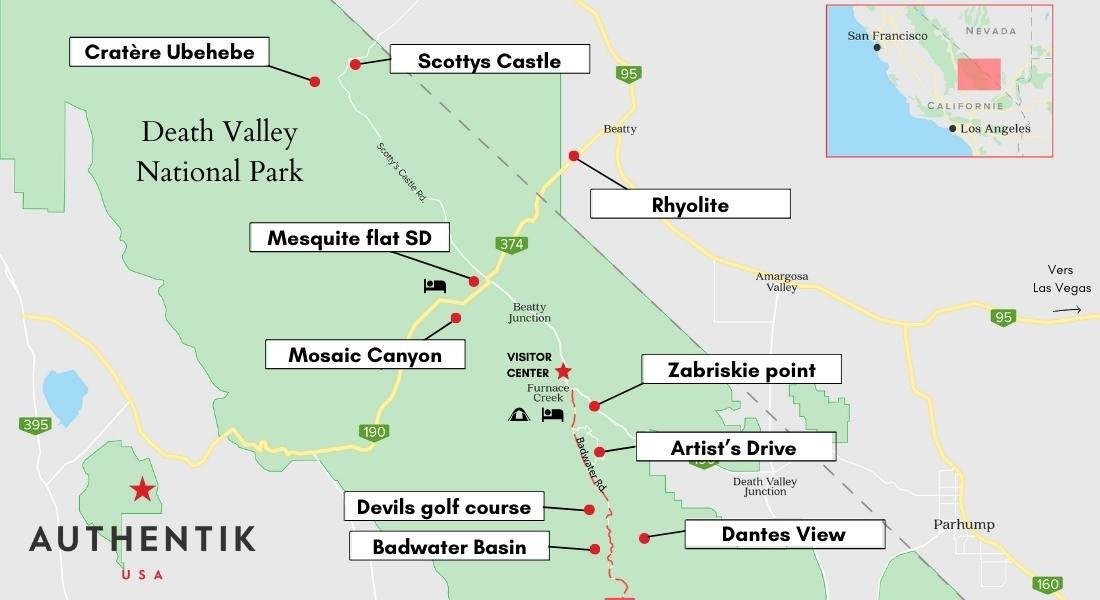
Introduction to Death Valley national park usa
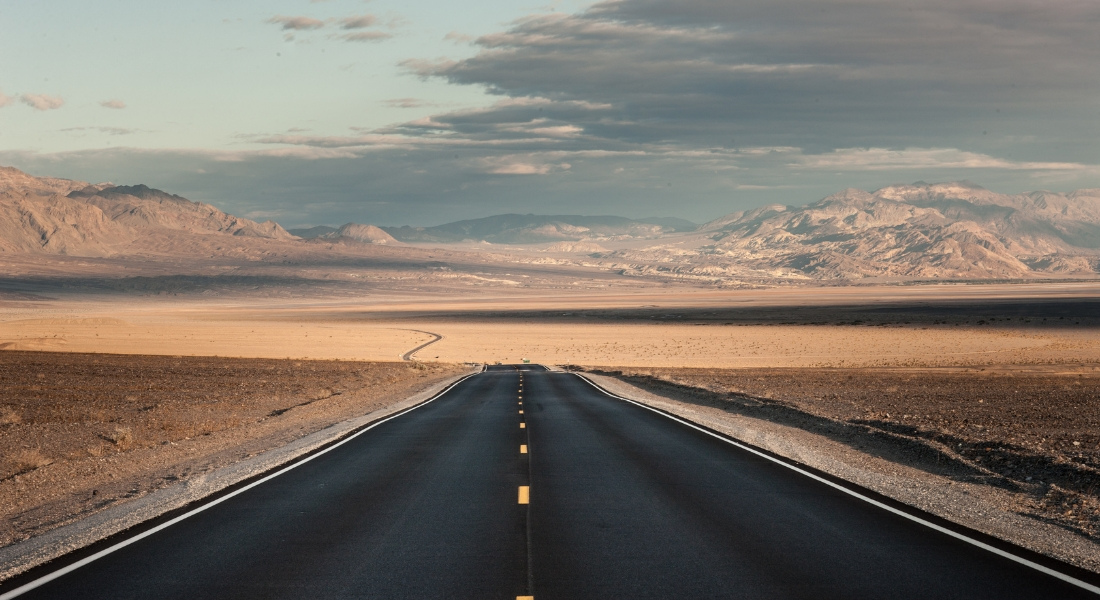
Death Valley National Park is located in the Mojave Desert in California, about a 2-hour drive from Las Vegas.
A land of extremes, Death Valley is the driest and lowest park in North America and the hottest in the world!
Made up of multicolored badlands, snow-capped peaks, sand dunes, and rugged canyons, it gives you the opportunity to discover absolutely magnificent and diverse landscapes.
Far from the uninhabited land you might expect, the park is home to many animal species that survive despite the very little rainfall the area sees each year (about 5 cm per year). However, they are quite difficult to spot since they are mostly inactive during the day and come out more at night, when it is cooler.
In summer, temperatures can rise above 40 degrees. It is therefore best to do hikes very early in the morning or late in the afternoon. Ideally, you should plan at least one night on site to spend at least two half-days exploring the park.
What to do in Death Valley national park?
1. Furnace Creek Visitor Center
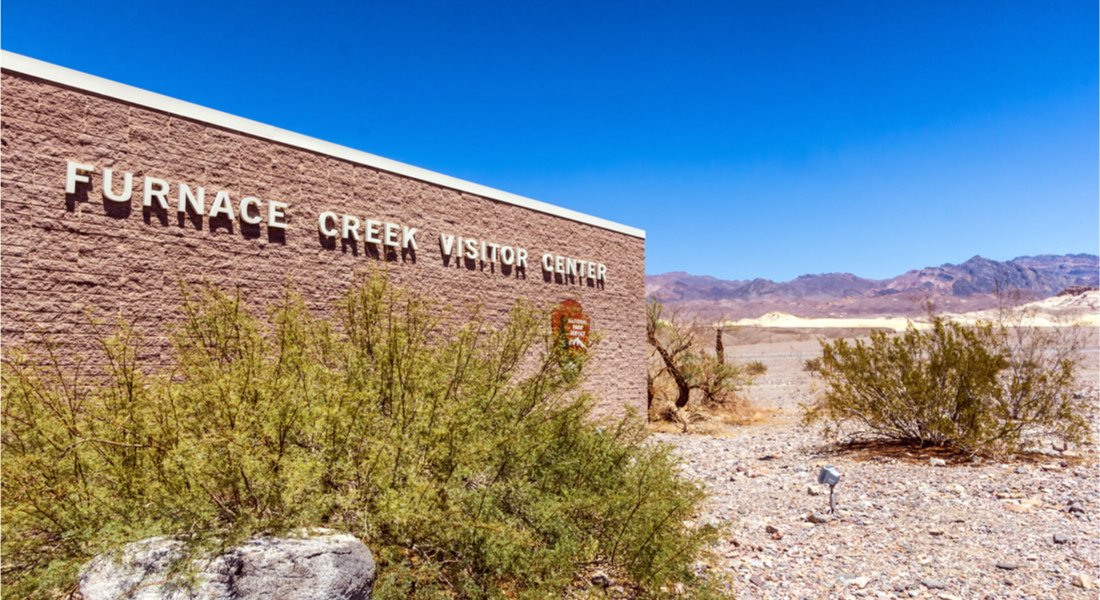
Head to the Visitor Center to plan your visit to Death Valley
Whether you have an afternoon or several days to spend in Death Valley National Park, good planning is necessary to help make your visit safe and unforgettable.
A quick stop at the Furnace Creek Visitor Center is a must.
Open daily from 8 a.m. to 5 p.m., it’s the best place to find out about must-see points of interest, discover the exhibitions, and watch the 20-minute film about the park.
2. Zabriskie Point
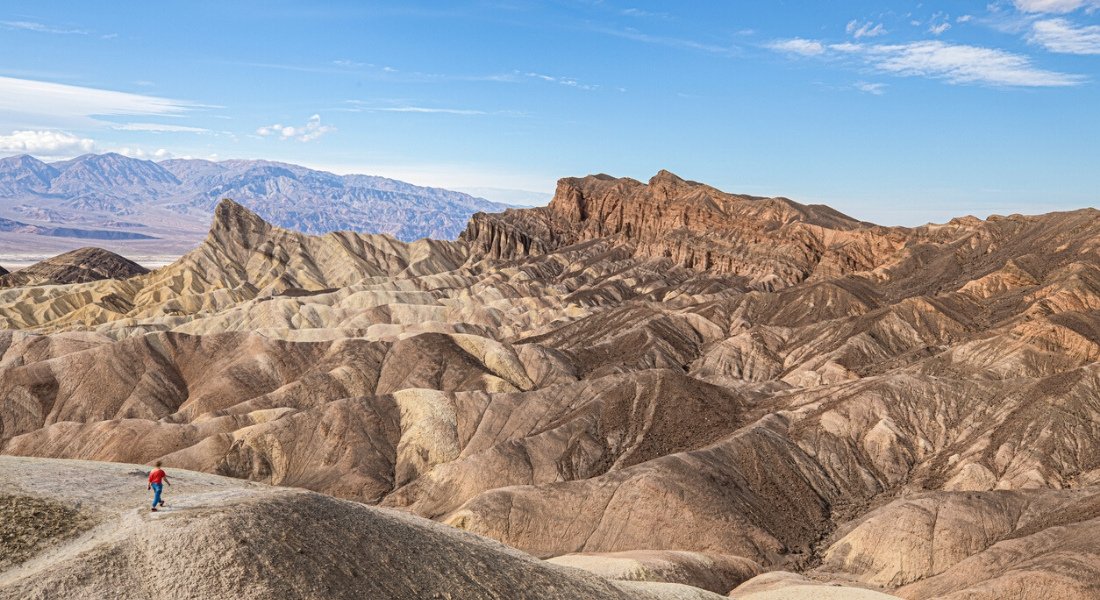
Located east of Furnace Creek on Route 190, Zabriskie Point offers a spectacular view of the Golden Canyon cliffs. Access is very easy as you just need to walk a few meters to get to the overlook.
It's a must-see photo spot at sunset (or sunrise for the brave).
3. Dantes View
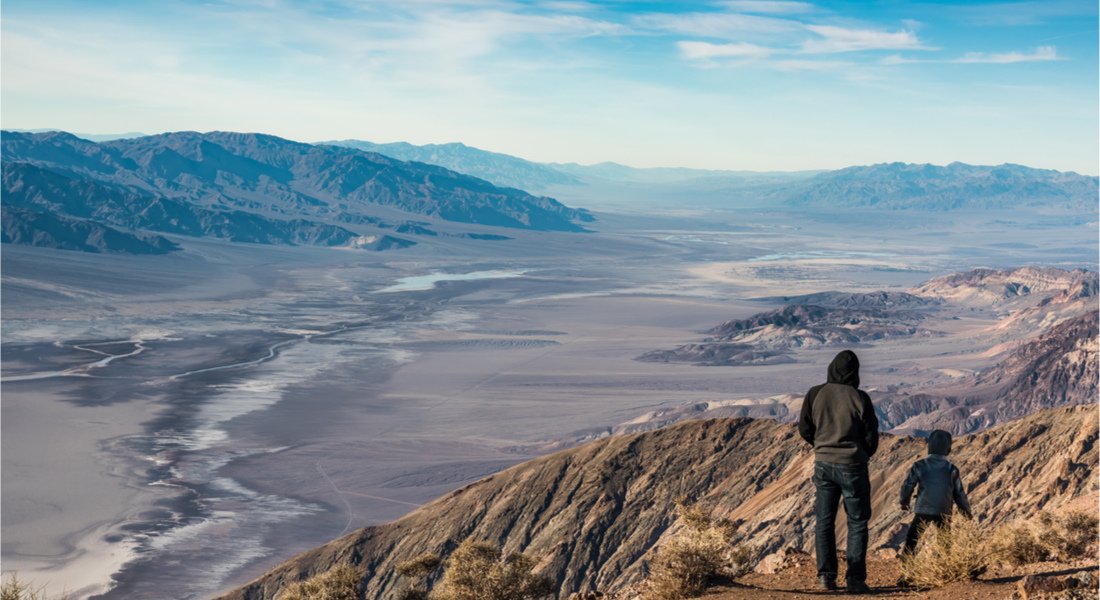
Dantes View is accessible via a paved but winding road that is forbidden to vehicles over 25 feet long.
Rising 1,699 m above sea level on the crest of the Black Mountains, this panoramic viewpoint allows you to take in the vastness of the park, from Badwater Basin all the way to the Panamint Mountains.
4. Artist’s Drive

Artists Drive is a winding, one-way road, accessible from Badwater Road, one of the most beautiful roads in the American West. You’ll take it for the pleasure of winding through hills sculpted by the erosive power of water, but also to enjoy Artists Palette, named for the range of colors covering the rock. The rainbow effect is created by volcanic deposits rich in compounds such as iron oxides and chlorite.
Avoid the midday sun as the colors will be less vibrant. With the twilight light, shadows bring out the colors even more, and it’s even more striking!
5. Devils Golf Course
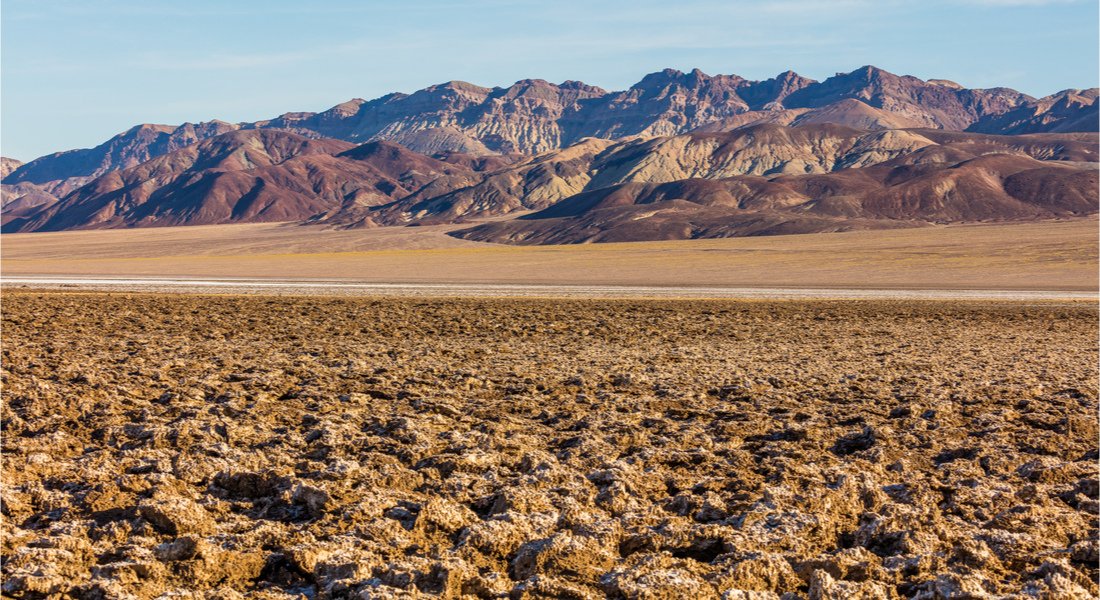
Also located on Badwater Road, Devils Golf Course is a viewpoint worth a stop during your visit to Death Valley.
It is a vast stretch of crystallized salt, the result of a lake that dried up over 2,000 years ago. The terrain is so jagged that it’s said only the devil could play golf on such ground!
If you have sharp hearing, listen carefully to hear the tiny salt crystals crackling from the heat.
6. Badwater Basin, Death Valley national park
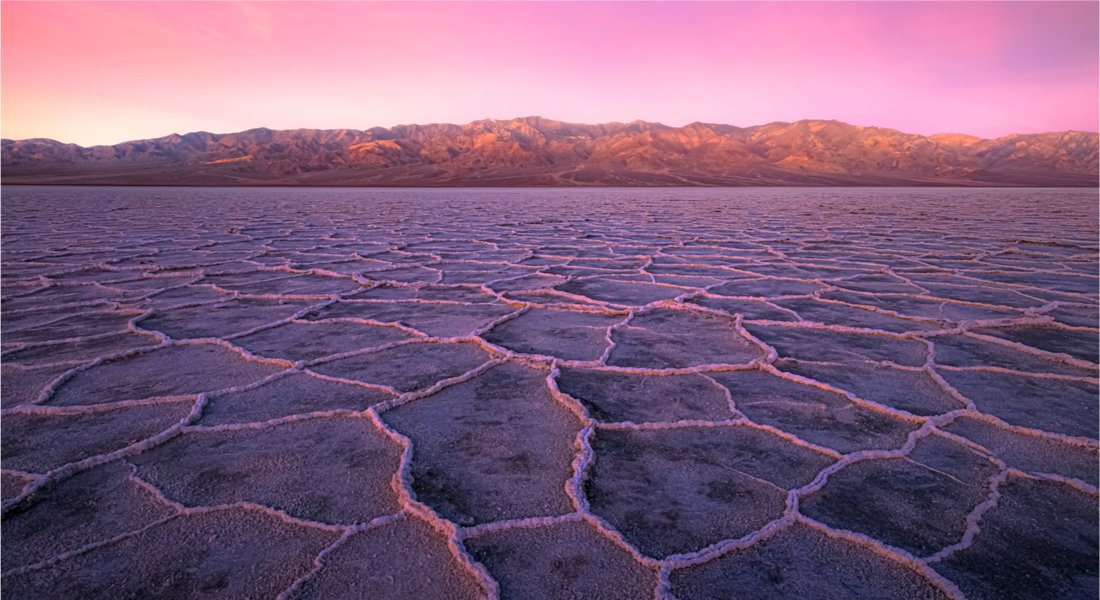
This is certainly one of the most unusual places you’ll see during your American West road trip.
Badwater Basin lies 86 m below sea level, making it the lowest point in North America. This surreal landscape of vast salt flats can turn into a temporary lake after heavy rainstorms.
Badwater Basin is easily accessible from the parking area, but the best views of the salt polygons require an easy 1.6 km round-trip walk.
7. Mesquite Flat Sand Dunes
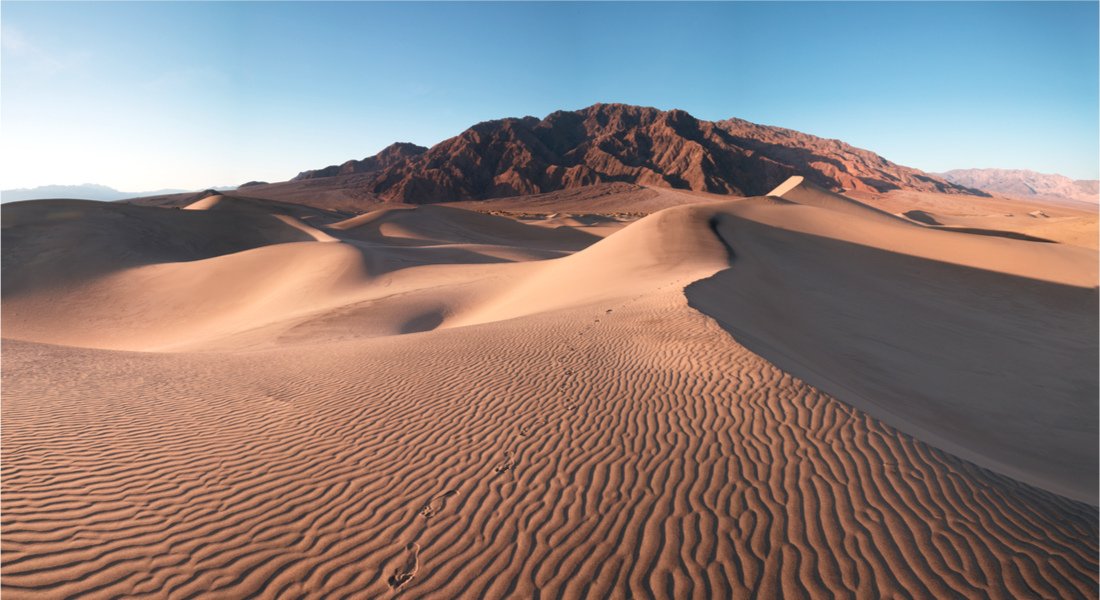
The sand dunes of Death Valley are named after the mesquite tree, found abundantly in the area.
There isn’t an official trail through the dunes, but if you want to reach the highest dune, plan about 1.5 hours round-trip. Avoid going after 10 a.m. at the height of summer, again due to the extreme heat.
The advantage of going very early in the morning is that the night winds have erased the previous day’s footprints, leaving beautiful natural ripples on the dunes. It’s stunning.
8. Mosaic Canyon
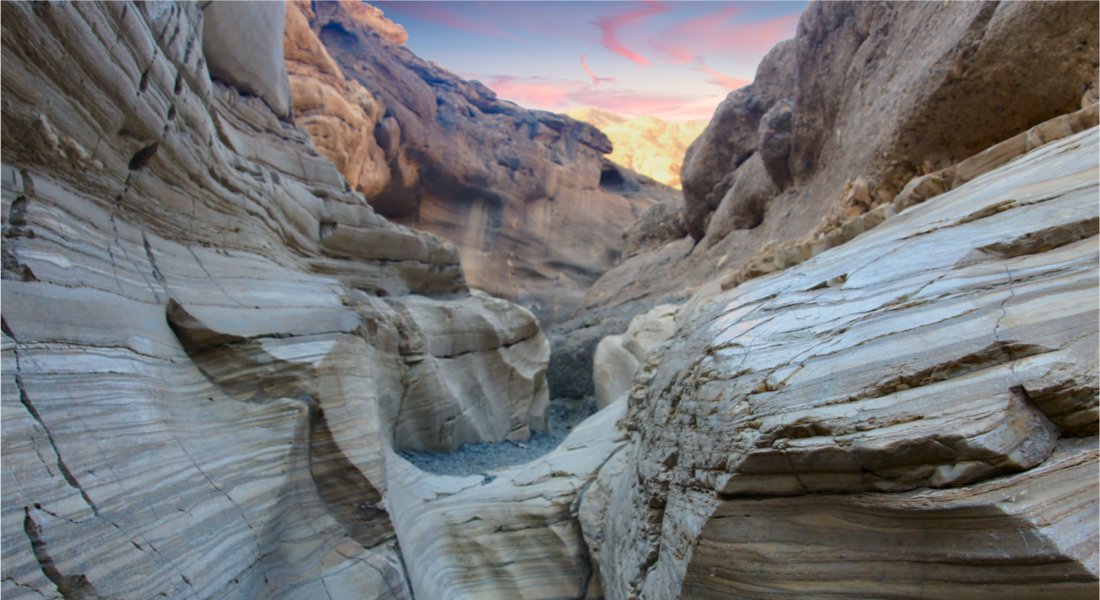
Located right across from Stovepipe Well village, Mosaic Canyon is another beautiful example of the geology of Death Valley National Park.
Anything but monotonous, this hike takes you through a narrow canyon with several steps where you'll need to crawl and climb rocks to reach the next section.
Look out for the canyon’s namesake formations, the Mosaic Canyon Breccia: on some rocks, small angular fragments trapped in natural cement create a pretty mosaic.
Duration (round-trip): 2.5 to 3 hours\ Distance (round-trip): 6.4 km\ Elevation gain: 366 m\ Difficulty: moderate to difficult
9. Ubehebe Crater
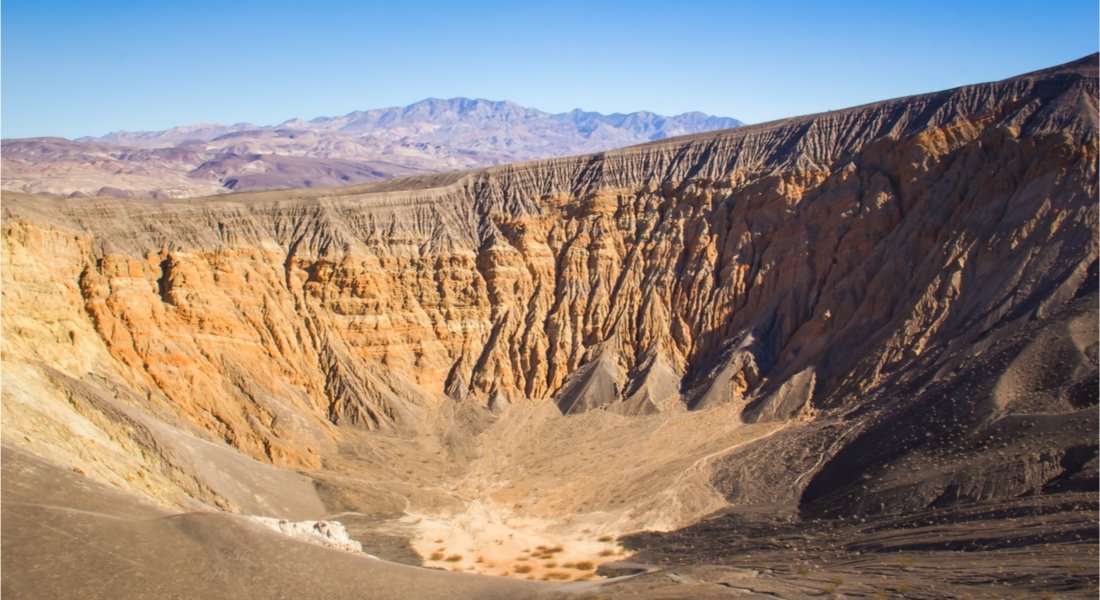
Located an hour’s drive from Furnace Creek, this huge crater can be seen right from the parking area.
You can, however, choose to walk the 2.4 km trail that loop along the rim to observe this force of nature from all angles.
On the other hand, skip it if you’re afraid of heights…
10. Scottys Castle
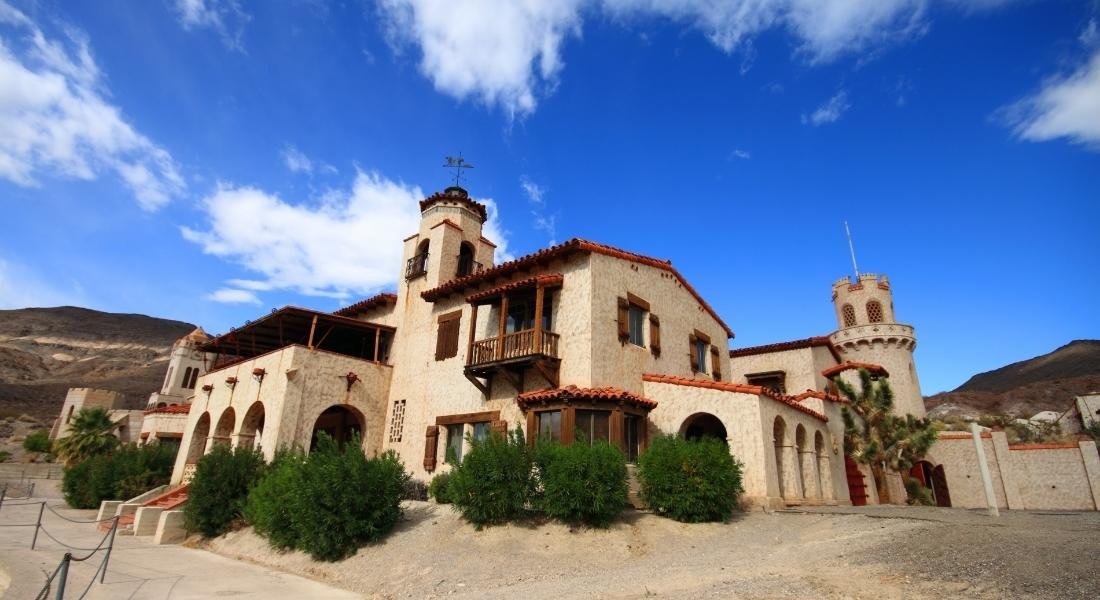
This Spanish-style ranch was built in the 1920s by millionaire Albert Johnson but is named after Walter Scott, a charismatic prospector nicknamed "Death Valley Scotty".
The story of this desert castle began with fraud: Scott convinced Johnson to invest in a fake gold mine. Paradoxically, the two men became friends, and Johnson transformed this remote valley in the Grapevine Mountains into a luxurious winter residence.
The castle features custom-made furniture, precious tapestries, and a theater organ with 1,121 pipes. Ranger-led tours with costumed guides bring the Jazz Age atmosphere to life in this exceptional desert setting.
Death Valley’s Scenic Roads
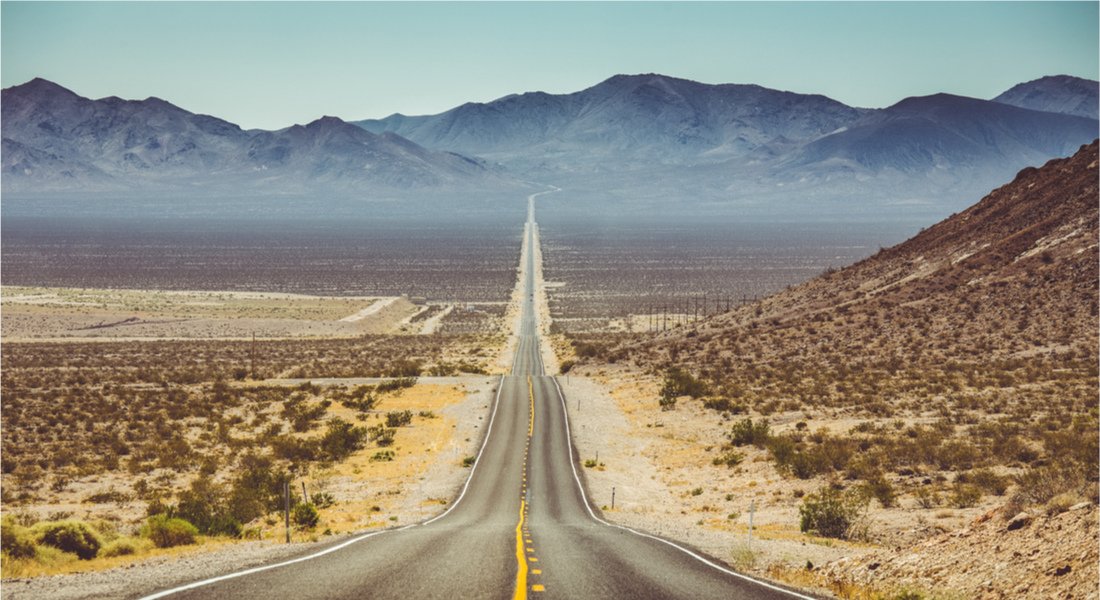
The Badwater Road and Route 190 are the two main arteries for exploring Death Valley National Park in California. These paved roads, easily give you access to the major sights of this park located in southeastern California, east of the Sierra Nevada.
Route 190 crosses the park east to west for about 80 kilometers, linking Death Valley Junction to Panamint Springs. This scenic route through the United States offers a spectacular journey through the Mojave Desert, passing through Furnace Creek and Stovepipe Wells Death Valley, two essential places for your stay.
Artists Drive, a 14-kilometer one-way loop, is truly worth a detour. This winding road traverses rock formations with amazing colors, which are particularly dramatic at sunset. The multicolored ground of Artist's Palette reveals exceptional shades created by volcanic deposits.
For adventurers, the track leading to Racetrack Playa lets you discover the mystery of rocks that move on their own across the desert floor. This isolated sector of Death Valley National Park California requires a 4x4 vehicle and good preparation due to poor road conditions for the last 42 kilometers.
From Lone Pine, a town located 2 hours by car northwest of the park, you can take Route 395 and then 190 for a spectacular approach from the west. This alternative route lets you discover the striking contrasts between the Sierra Nevada and Death Valley USA.
Where to sleep in Death Valley National Park?

Hotel
Ideally located in the heart of Death Valley National Park, the hotel offers rooms with breathtaking views of Mesquite Flat Sand Dune or the inner courtyard and its pool. Open all year round.
This former working ranch has been transformed into an accommodation for visitors from all over the world. You can choose between a classic hotel room or renting a cabin.
Like an oasis in the middle of the desert, the Inn at Death Valley is rated 4 diamonds and offers an extraordinary luxury experience. The hotel will be closed from June 1 to September 14, 2022.
Camping
Furnace Creek Campground
Located at Furnace Creek near the Visitor Center, this is the only campground in the park that accepts reservations (for the period from October 15 to April 15) and which has sites with full hookups. The rest of the year, the campground works on a first-come, first-served basis.
If you're planning a visit to Death Valley from October to April, you can book from 5 days to 6 months in advance by calling 877-444-6777 or by visiting the online reservation site.
There are several other campgrounds in the park; to see the full list, click here
When to visit Death Valley?
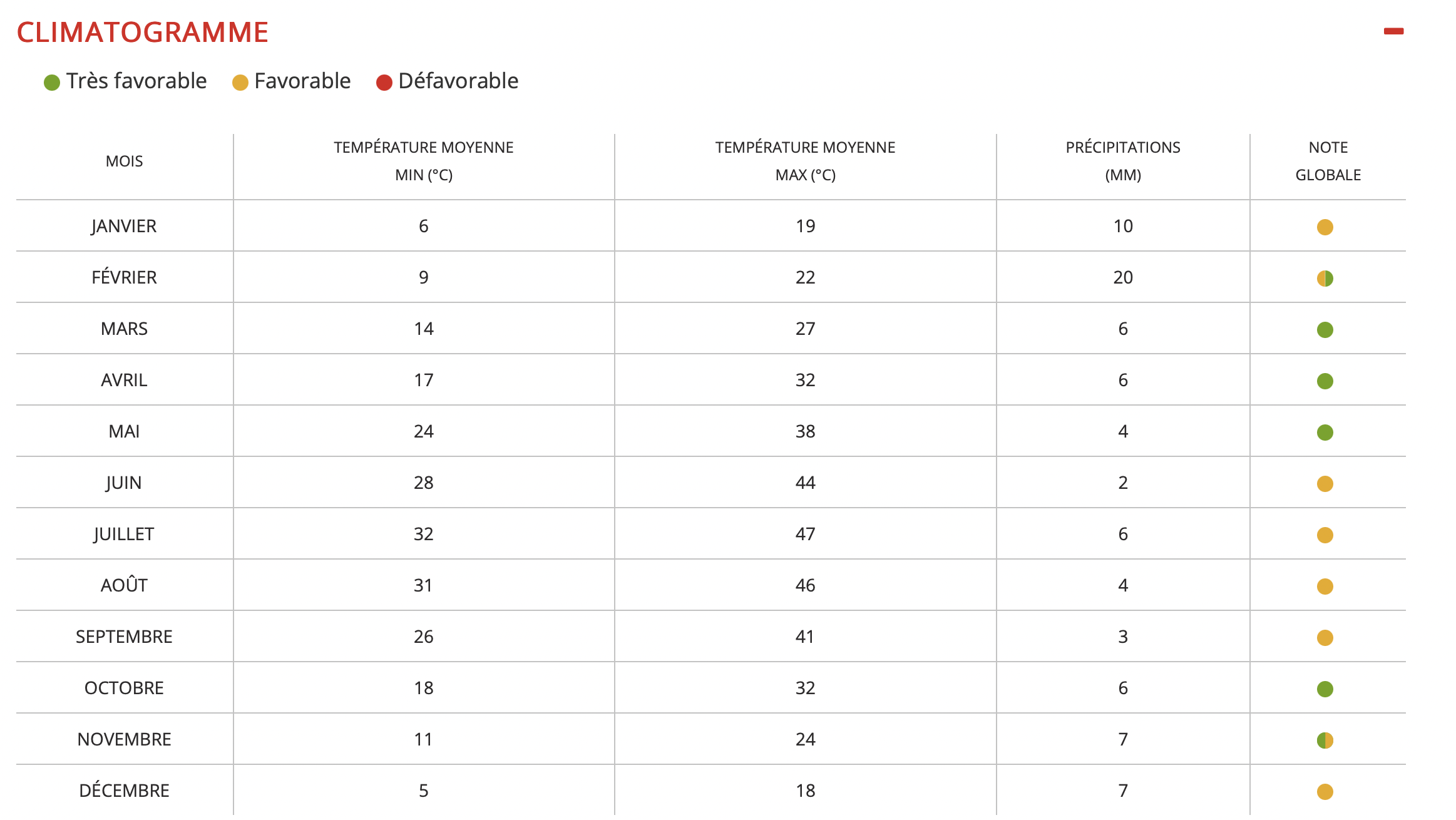
The natural wonders of Death Valley change with the seasons. The months from October to April offer the most pleasant conditions for exploring the park, with moderate temperatures that allow for beautiful hikes.
Spring, especially in March, sometimes transforms the desert into a carpet of wildflowers. This period attracts many unique plant species and offers perfect conditions to observe the small endemic fish at Salt Creek from the wooden boardwalks.
In autumn, the cooler days allow for excursions to Darwin Falls, a surprising waterfall in the middle of an arid landscape.
Avoid consecutive days from May to September, when the intense heat makes any activity risky, especially for pregnant women and people sensitive to extreme temperatures.
Entrance fees and annual pass: everything you need to know for your visit to Death Valley

The entrance fees to Death Valley National Park are:
- $30 per car or RV
- $25 per motorcycle
- $15 per pedestrian or cyclist
Access is valid for 7 days.
If you plan to visit several national parks during your stay in the United States, I recommend buying the America the Beautiful pass.
Note the new 2026 rates: As of January 1, 2026, the price of the annual pass will increase significantly depending on your residency status:
- $80 for U.S. residents
- $250 for non-U.S. residents
Expert tip: If you're planning a trip in 2026 and you're not a U.S. resident, buy your pass before December 31, 2025 to still enjoy the $80 rate. The pass will be valid for all of 2026!
It's for sale in all Visitor Centers or on the official website recreation.gov.
AUTHENTIK TIPS
- Go to the Visitor Center as soon as you arrive to get useful information for your visit and a map of the park.
- Bring a sunscreen with high protection, a hat or cap, and your sunglasses.
- Drink at least 4 liters of water per day and never leave for a visit without enough drinking water for the whole family.
- Heat and dehydration: if you feel dizzy, nauseous, or have headaches, get out of the sun, drink plenty of water, and wet your clothes.
- There are gas stations at Furnace Creek Ranch, Stovepipe Wells Village, and Panamint Springs Resort. Still, make sure you have a good level of gas in your tank because distances are long in the park.
- Never put your hands or feet in places you can't see because animals such as rattlesnakes, scorpions, or spiders may be hiding there.
- Note that the cell network is almost nonexistent in Death Valley National Park.
There you go, I think you now know all the must-sees of Death Valley National Park. I hope that if you were hesitant about adding it to your next USA road trip itinerary, I've managed to convince you.
If you want to share your experience in the park or if you have other suggestions, feel free to express yourself in the comments area below.
FAQ - Death Valley National Park
Why is it called Death Valley?
The name comes from a group of pioneers lost during the winter of 1849-1850 during the California gold rush. Trapped for several months in this arid valley, only one person reportedly lost their life, but the survivors thought they would never make it out. After their rescue, one of them is said to have turned back and said "Goodbye Death Valley", thus giving this region of the Mojave Desert its definitive name.
In which state is Death Valley located?
Death Valley is located mainly in California, in the southeast of the state, east of the Sierra Nevada. A small part of the park crosses into the state of Nevada, making it a national park spanning two states. Most attractions and tourist infrastructure are on the California side, especially at Furnace Creek and Stovepipe Wells.
What to see and do in Death Valley?
You will discover spectacular lunar landscapes with the Mesquite Flat Dunes, the salt basin of Badwater Basin located 86 meters below sea level, and the colorful formations of Zabriskie Point. Hikes such as Golden Canyon lead you through canyons with golden hues, while Artist's Drive offers a 14-kilometer scenic drive.
What is the record temperature recorded in Death Valley?
The official record temperature is 56.7°C (134°F), recorded on July 10, 1913 at Furnace Creek. This world record, recognized by the World Meteorological Organization, is the subject of scientific debate as no similar temperature has been measured since, even with current global warming.
Why is Death Valley dangerous?
The extreme conditions of Death Valley pose real risks: rapid dehydration caused by intense heat, frequent vehicle breakdowns, and unpredictable flash floods that can block roads. The isolation in the heart of the desert makes rescue operations difficult, while the lack of mobile network in some areas complicates emergency calls.
What is the best time to visit Death Valley?
The ideal period runs from October to April, when the climate is milder with daytime temperatures between 15°C and 25°C. Avoid the summer when extreme conditions make activities dangerous, and opt for the months of March to May to fully enjoy the hikes and discover the spectacular landscapes in complete safety.


Leave a comment
Répondre à: -
delete my replyYour e-mail address will not be shared